Nipah Vaccine Trial Marks a Turning Point in Global Virus Research
4 min read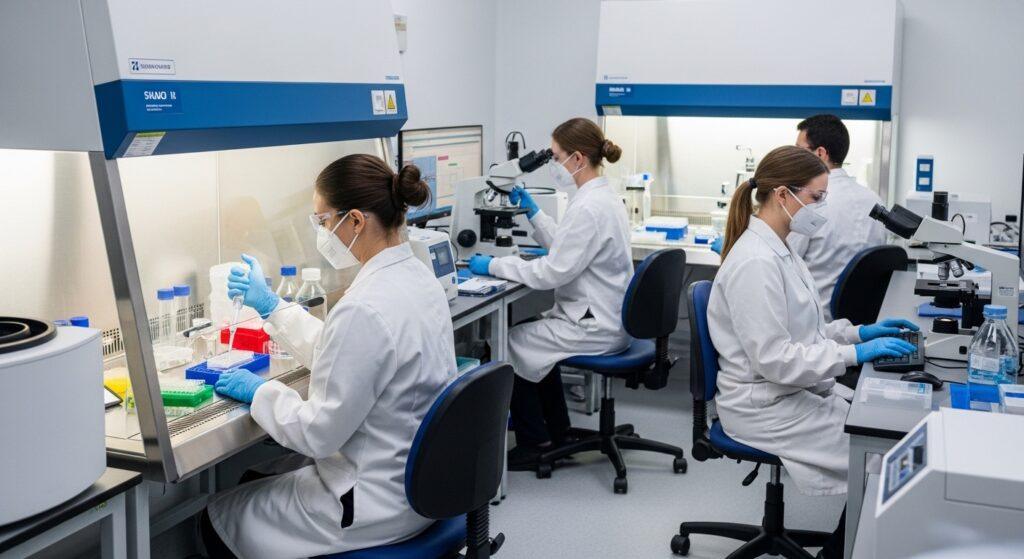
The Nipah vaccine trial has officially entered a historic phase as Japanese scientists prepare to test a vaccine candidate in humans for the first time. The development is being closely watched by global health experts because Nipah virus is among the deadliest known infectious diseases, with fatality rates far higher than most recent outbreaks seen worldwide.
The upcoming trial, scheduled to begin in April, represents a rare moment where science moves ahead of a potential crisis rather than reacting after mass outbreaks. Until now, Nipah virus infections have been managed only through isolation, surveillance, and emergency care—not prevention.
Nipah Vaccine Trial Explained: Why This Study Is So Important
The Nipah vaccine trial is designed as an early-stage human study that focuses on safety and immune response. Unlike mass vaccination campaigns, this phase involves a limited number of healthy volunteers who will receive carefully controlled doses of the vaccine under strict medical supervision.
What makes this trial significant is that the Nipah virus has remained without a licensed vaccine despite being identified more than two decades ago. The virus is known to cause sudden outbreaks with severe brain inflammation and respiratory failure, often overwhelming local healthcare systems.
By moving into human testing, researchers are attempting to close a long-standing gap in global epidemic preparedness.
Nipah Vaccine Trial: How the Experimental Vaccine Works
The vaccine being tested in the Nipah vaccine trial uses a viral-vector approach, a method that has gained credibility through its use in other successful vaccines. In simple terms, the vaccine introduces harmless genetic instructions into the body so the immune system learns how to recognize and block the Nipah virus before it can cause disease.
Preclinical testing showed that the vaccine triggered strong immune responses in laboratory studies without causing severe side effects. This success allowed regulators to approve the transition to human testing.
The upcoming trial will not determine whether the vaccine can stop outbreaks immediately. Instead, it will answer two crucial questions:
- Is the vaccine safe for humans?
- Does it activate the immune system in a meaningful way?
Positive answers would clear the path for larger trials in regions where Nipah outbreaks have occurred in the past.
Why Nipah Virus Is Considered a Global Threat
Nipah virus is not a routine infection. It is classified as a high-risk zoonotic virus, meaning it spreads from animals to humans and has the potential for human-to-human transmission.
Outbreaks have historically been limited in size but devastating in impact. In some cases, entire communities have been affected within weeks. What alarms scientists is the virus’s ability to mutate and adapt, increasing the risk of wider transmission.
The Nipah vaccine trial is therefore not just about protecting one country or region. It is about reducing the global risk of a virus that could, under the wrong conditions, escalate into a broader health emergency.
Nipah Vaccine Trial Compared With Other Global Efforts
The Japanese-led Nipah vaccine trial is not happening in isolation. Other research groups are exploring alternative vaccine technologies, but most remain in laboratory or animal-testing stages.
What sets this trial apart is its readiness to move into controlled human studies, a step that requires years of safety data, funding, and regulatory confidence. Experts say this signals growing urgency among international health bodies to address viruses that may not dominate headlines but pose extreme danger.
If successful, the trial could also speed up international collaboration, allowing future studies to expand into regions that face recurring Nipah exposure.
What Success Would Mean for Public Health
A successful Nipah vaccine trial would change how governments and health agencies respond to outbreaks. Instead of emergency lockdowns and reactive containment, vaccination could become a proactive tool to protect frontline workers and vulnerable populations.
Potential benefits include:
- Faster outbreak control
- Reduced mortality rates
- Better protection for healthcare workers
- Stronger global preparedness for zoonotic diseases
Even partial success would provide critical data that could refine future vaccine designs or treatment strategies.
Challenges Still Ahead
Despite the optimism surrounding the Nipah vaccine trial, scientists caution that vaccine development is a long process. Many candidates fail after early human trials due to safety concerns or insufficient immune response.
Additionally, manufacturing and distribution pose future challenges, especially for regions with limited healthcare infrastructure. However, experts agree that the hardest step—entering human trials—has now been crossed.
Why This Moment Matters Now
The launch of the Nipah vaccine trial comes at a time when the world is reassessing how it prepares for pandemics. Recent global health crises have shown the cost of delayed action and underinvestment in preventive science.
This trial reflects a shift toward early intervention, targeted research, and international readiness. While it will take time to know whether the vaccine succeeds, the effort itself represents progress that could save lives in the future.
About The Author