High protein snacks are redefining how people eat between meals
4 min read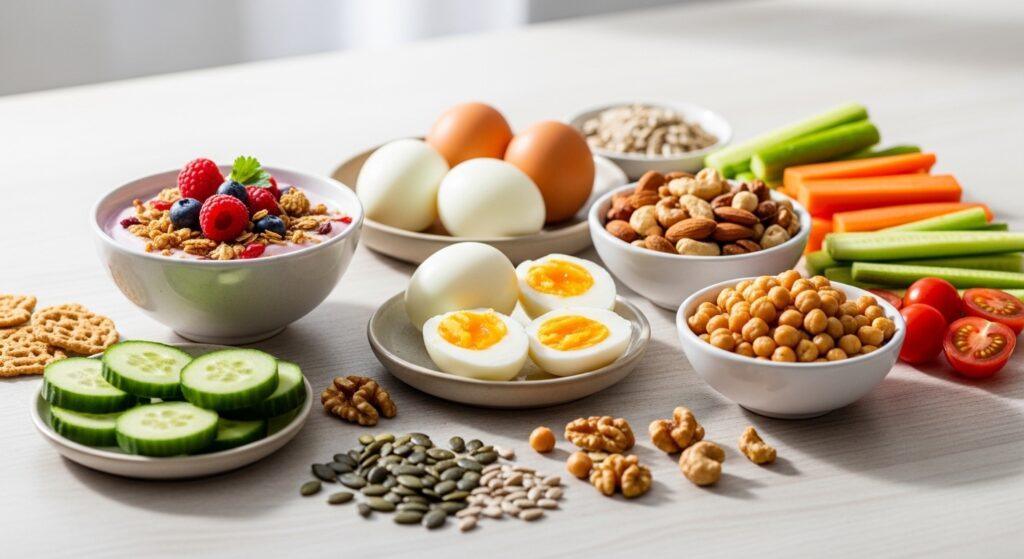
High protein snacks are no longer limited to chalky bars or processed jerky. A growing shift in nutrition science and consumer behavior is changing how people approach snacking, with more emphasis on real foods, balanced macros, and sustained energy rather than sugar-heavy convenience products.
From office desks to gym bags, people are choosing snacks that help control hunger, support muscle health, and fit into modern lifestyles without sacrificing taste. This shift reflects a broader movement toward smarter eating rather than extreme dieting.
High protein snacks: Why people are moving beyond bars and jerky
For years, protein bars and jerky dominated the snack aisle because they were portable and marketed as “healthy.” But many consumers now find them overly processed, high in sodium or sweeteners, and less satisfying than expected.
Nutrition experts say high protein snacks built from everyday foods can deliver the same benefits—and often more—without artificial ingredients or texture fatigue. The result is a new snacking mindset focused on variety, freshness, and nutritional density.
Key reasons for this shift include:
- Better digestion from whole foods
- More stable energy levels
- Improved satiety between meals
- Greater flexibility for different diets
High protein snacks: 7 real-food options gaining popularity
Here are seven high protein snacks that are increasingly replacing bars and jerky—not because they are trendy, but because they work.
1. Roasted legumes and pulses
Roasted chickpeas, lentils, or broad beans offer plant protein along with fiber, helping you feel full longer. They are shelf-stable, crunchy, and easy to season for flavor.
2. Soft cheeses with vegetables or fruit
Fresh cheeses like cottage cheese or paneer provide slow-digesting protein. When paired with vegetables or fruit, they become balanced snacks that work for both weight management and muscle support.
3. Boiled eggs with simple seasoning
Eggs remain one of the most efficient protein sources. Light seasoning or pairing with whole grains turns them into a complete, satisfying snack without additives.
4. Fermented dairy snacks
Yogurt-based snacks, especially strained varieties, deliver high protein while supporting gut health. These are increasingly preferred over bars due to their natural texture and nutritional profile.
5. Nuts and seeds in measured portions
While calorie-dense, nuts and seeds combine protein with healthy fats. Small portions help curb hunger and prevent overeating later in the day.
6. Fish-based snack portions
Small servings of tuna or salmon, especially when paired with whole foods, provide lean protein and essential fatty acids without the processing typical of jerky.
7. Plant-based protein spreads
Hummus, bean dips, or nut-based spreads eaten with vegetables or whole-grain crackers offer flexible, satisfying snacking options with real ingredients.
Why high-protein snacks support modern lifestyles
The renewed interest in high protein snacks is tied to changing routines. With longer workdays, irregular meal timing, and increased physical activity, people need snacks that bridge nutrition gaps rather than spike blood sugar.
Protein helps by:
- Slowing digestion
- Reducing energy crashes
- Supporting muscle repair
- Improving focus and satiety
Health professionals increasingly recommend spreading protein intake throughout the day instead of relying on a single large meal.
High protein snacks for different dietary goals
Different lifestyles demand different snacking strategies, and high-protein snacks can adapt easily.
For active individuals:
Protein-rich snacks help recovery and prevent muscle breakdown between workouts.
For weight management:
Protein combined with fiber reduces overeating and keeps calories in check.
For plant-based diets:
Legumes, seeds, and fermented foods offer complete nutrition without animal products.
This flexibility is a major reason why whole-food protein snacks are replacing packaged alternatives.
The role of taste and satisfaction
One reason bars and jerky are losing appeal is flavor fatigue. Eating the same processed snack repeatedly often leads to boredom and poor adherence to healthy habits.
Whole-food high-protein snacks offer:
- Texture variety
- Custom seasoning
- Cultural adaptability
- Freshness
When snacks taste good and feel satisfying, people are more likely to maintain consistent eating patterns.
What this trend means for everyday eating
The rise of real-food high-protein snacks reflects a broader shift toward mindful eating. Rather than following rigid rules, people are choosing foods that make sense for their bodies and schedules.
This isn’t about eliminating convenience—it’s about upgrading it.
The bottom line
High-protein snacks are no longer niche fitness foods. They are becoming a mainstream solution for energy, hunger control, and nutrition balance. By moving beyond bars and jerky, people are discovering that smarter snacking doesn’t require sacrifice — just better choices.
About The Author