Indian Semiconductor Ecosystem Gains Momentum with New Investments
3 min read
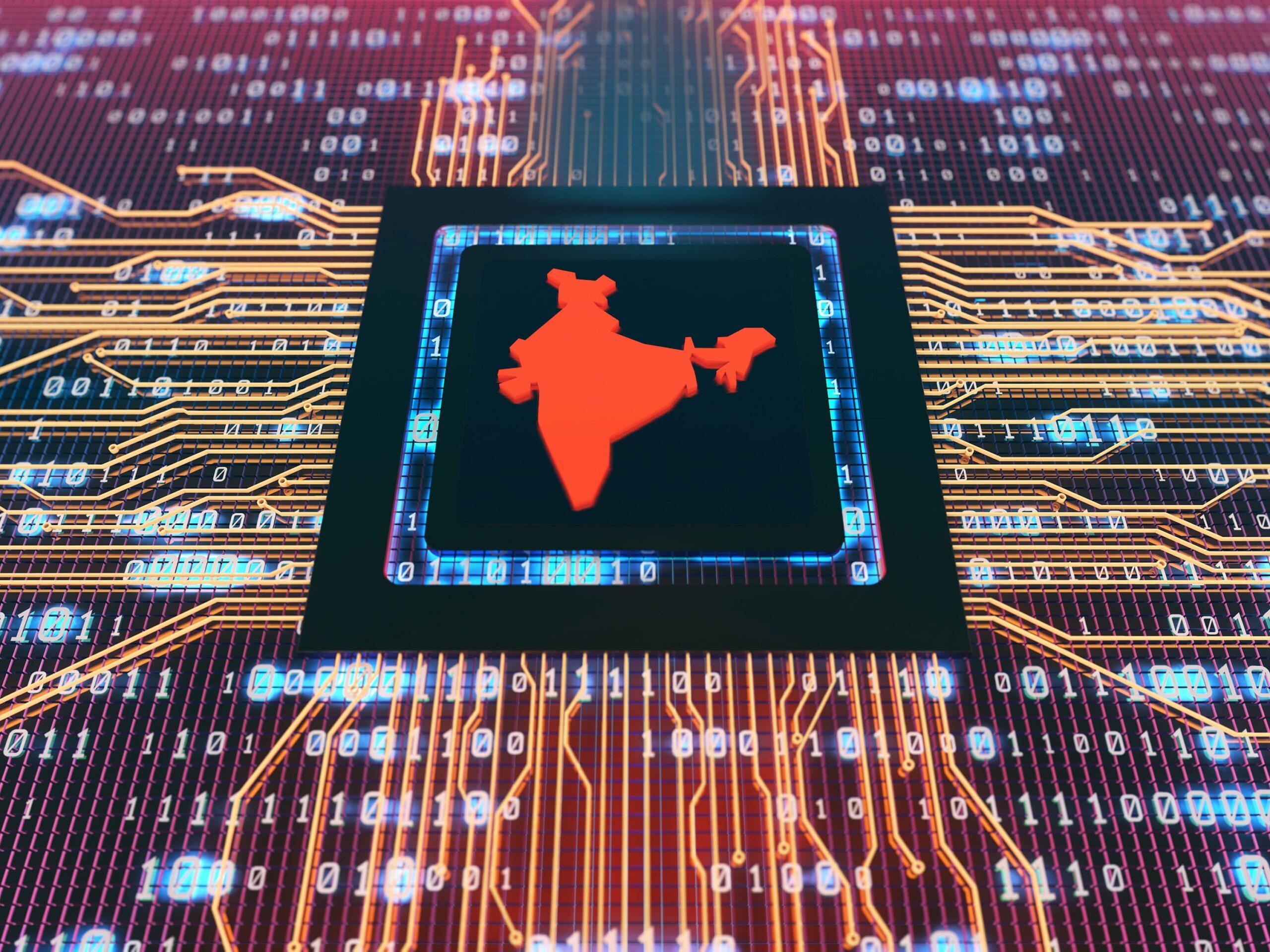
Indian Semiconductor Ecosystem is gaining strong momentum as government initiatives, private investments, and global partnerships come together to strengthen India’s position in the global technology supply chain. Recent developments suggest increasing confidence in the country’s long-term strategy to develop domestic semiconductor manufacturing, assembly, and design capabilities.
Semiconductors form the backbone of modern technology, powering smartphones, laptops, automobiles, industrial equipment, data centres, and communication networks. As global supply chains have faced disruptions in recent years, India has accelerated efforts to reduce import dependence and build a resilient local semiconductor ecosystem.
Government Push for Semiconductor Development
The government has outlined a long-term vision to establish India as a reliable hub for semiconductor manufacturing and advanced electronics. Policy measures include financial incentives, infrastructure support, and simplified approval processes aimed at attracting global chipmakers and encouraging domestic participation.
Officials have stated that strengthening the Indian Semiconductor Ecosystem is a strategic priority due to its importance for national security, digital transformation, and industrial growth. Several proposals for fabrication units, assembly plants, and testing facilities are currently under various stages of evaluation and implementation.
Incentives and Policy Framework
Under the existing policy framework, companies investing in semiconductor manufacturing and advanced packaging facilities are eligible for fiscal support and operational incentives. Industry experts believe that policy stability and consistent execution will be critical for sustaining long-term investor confidence in the Indian semiconductor ecosystem.
These measures are also designed to support ancillary industries such as materials manufacturing, equipment supply, logistics, and precision engineering, all of which are essential components of the semiconductor value chain.
Rising Private and Global Investments
Private sector participation has increased steadily as domestic and international companies explore opportunities across semiconductor manufacturing, testing, and design. Several technology firms have expanded semiconductor design centres in India, leveraging the country’s large pool of skilled engineers and technical professionals.
Global partnerships are emerging as a key driver of growth. Collaborations with established semiconductor players are expected to accelerate technology transfer, enhance operational efficiency, and improve process reliability, further strengthening the Indian Semiconductor Ecosystem.
Role of Design and Research Capabilities
India already has a strong presence in semiconductor design and research. Many global firms operate large design and verification centres in the country, focusing on chip architecture, system-on-chip development, and validation processes. These strengths provide a solid foundation for expanding into fabrication and advanced packaging.
Analysts note that integrating design expertise with manufacturing capacity can create a more balanced and competitive Indian Semiconductor Ecosystem over the long term.
Impact on Electronics and Automotive Sectors
The development of domestic semiconductor capabilities is expected to benefit multiple industries. Electronics manufacturing, electric vehicles, telecommunications, renewable energy systems, and industrial automation are among the key sectors likely to gain from improved access to locally produced chips.
A stronger Indian Semiconductor Ecosystem can help reduce production costs, shorten supply chains, and improve resilience against global disruptions. This is particularly important for emerging technologies such as 5G networks, artificial intelligence hardware, connected vehicles, and smart infrastructure.
Employment and Skill Development
Semiconductor projects are also expected to generate high-skilled employment opportunities across engineering, manufacturing, and research roles. Training programmes and academic collaborations are being encouraged to build expertise in chip fabrication, materials science, and precision manufacturing.
Educational institutions are gradually aligning curricula with industry requirements to support the growing talent needs of the Indian Semiconductor Ecosystem.
Challenges and Execution Risks
Despite steady progress, challenges remain. Semiconductor manufacturing requires large capital investments, advanced technology, and reliable infrastructure. Access to uninterrupted power supply, water resources, and efficient logistics is critical for the success of fabrication facilities.
Industry experts emphasise the need for close coordination between government agencies, private companies, and academic institutions. Timely project approvals, infrastructure readiness, and workforce availability will play a decisive role in maintaining momentum.
Outlook for the Semiconductor Sector
Looking ahead, continued policy support, global collaboration, and sustained investment in skills are expected to shape the next phase of growth. As projects move from planning to execution, tangible outcomes are likely to emerge over the coming years.
https://samaacharbharat.com/category/technews
With consistent implementation and long-term commitment, the Indian Semiconductor Ecosystem is positioned to become a key pillar of India’s technology and manufacturing ambitions, contributing to economic growth, innovation, and strategic self-reliance.
About The Author