Personalized Cancer Vaccine Breakthrough 2026 Marks a Turning Point in Cancer Treatment
3 min read
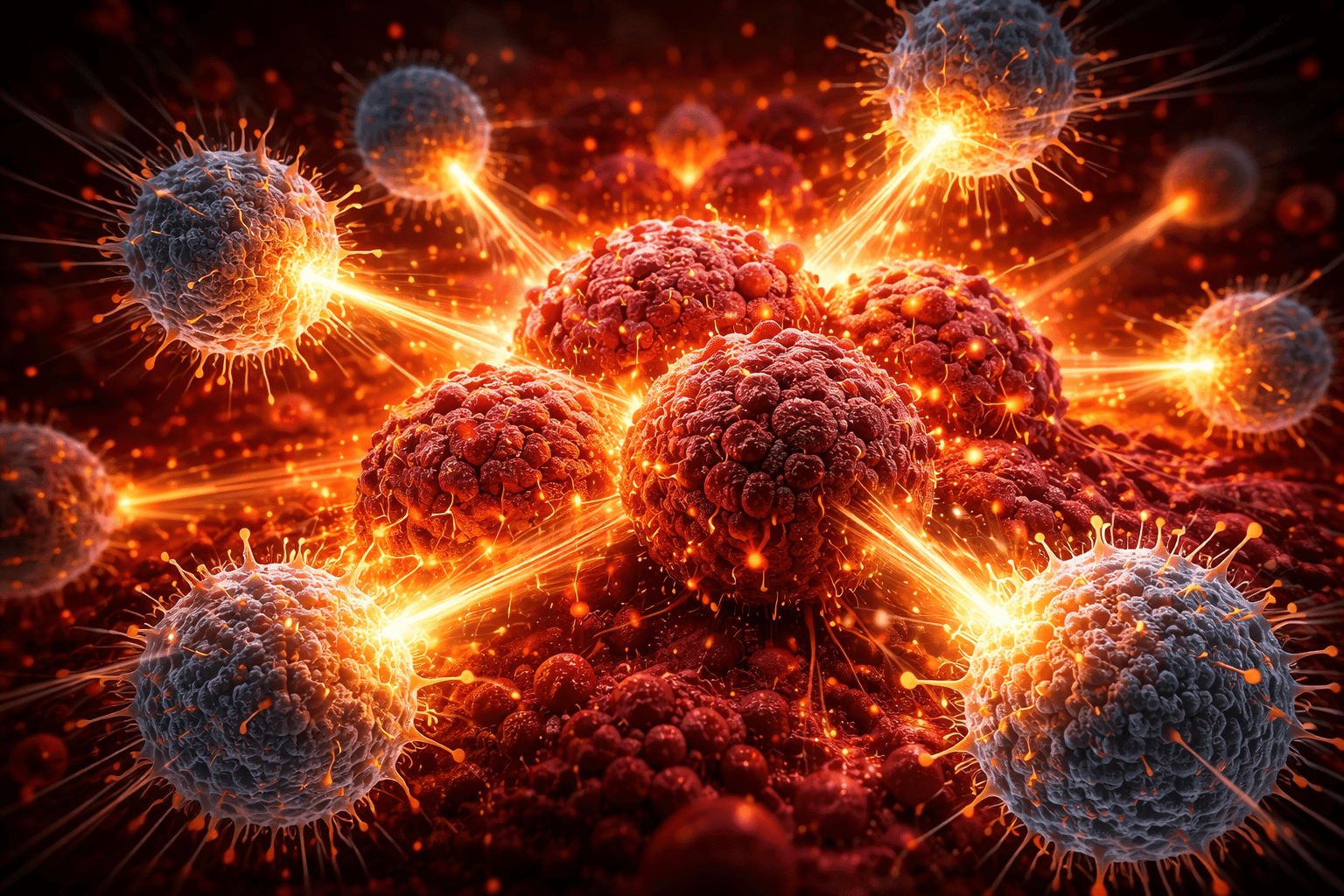
Personalized Cancer Vaccine Breakthrough 2026 is emerging as one of the most important medical advances in decades, as researchers report unprecedented success using individualized vaccines designed specifically for each patient’s tumor. Unlike traditional cancer treatments that attack both healthy and cancerous cells, this approach trains the immune system to recognize and destroy cancer with extraordinary precision.
The breakthrough relies on mRNA technology combined with advanced genetic sequencing. Doctors analyze a patient’s tumor, identify its unique mutations, and then create a custom vaccine that teaches the immune system to target only those cancer-specific markers. Early clinical results show strong immune responses and significantly reduced recurrence rates in multiple cancer types.
Medical experts describe this as a fundamental shift in oncology. Instead of fighting cancer with one-size-fits-all drugs, treatment becomes as unique as the patient’s DNA.
Personalized Cancer Vaccine Breakthrough 2026 Uses the Body’s Own Immune System
Personalized Cancer Vaccine Breakthrough 2026 works by amplifying the body’s natural defenses rather than poisoning cancer cells. Once injected, the vaccine delivers genetic instructions that prompt immune cells to recognize tumor-specific proteins as threats.
This immune activation allows the body to hunt down cancer cells wherever they exist, including microscopic remnants that often escape surgery or chemotherapy. Researchers say this explains why relapse rates appear lower among patients receiving personalized vaccines.
Another critical advantage is reduced side effects. Because healthy cells are largely ignored, patients report fewer complications compared to chemotherapy or radiation. Fatigue and mild inflammation are common, but severe toxicity is rare.
Personalized Cancer Vaccine Breakthrough 2026 Shows Promise Across Multiple Cancers
Early trials of Personalized Cancer Vaccine Breakthrough 2026 have focused on aggressive and hard-to-treat cancers, including melanoma, lung cancer, pancreatic cancer, and certain brain tumors. Results are especially encouraging in patients at high risk of recurrence after initial treatment.
In several cases, patients remained cancer-free far longer than expected based on historical data. Doctors caution that long-term monitoring is still underway, but the consistency of immune responses across patients has generated optimism.
Researchers are also testing combinations of personalized vaccines with existing immunotherapies, such as checkpoint inhibitors. This dual approach appears to strengthen immune memory and prolong tumor suppression.
Personalized Cancer Vaccine Breakthrough 2026 Accelerates With AI and Rapid Manufacturing
A key reason Personalized Cancer Vaccine Breakthrough 2026 is now possible is speed. AI-driven analysis rapidly identifies tumor mutations, while advanced manufacturing platforms produce custom vaccines in weeks rather than months.
This speed is crucial, as cancer progression leaves little margin for delay. Hospitals participating in trials report that vaccine production timelines are shrinking as systems become more efficient.
Experts believe that as infrastructure scales, personalized cancer vaccines could become part of standard treatment protocols rather than experimental therapies.
Personalized Cancer Vaccine Breakthrough 2026 Could Redefine Cancer Survival Rates
The long-term implications of Personalized Cancer Vaccine Breakthrough 2026 are profound. If ongoing trials continue to show success, cancer may increasingly be managed as a controllable condition rather than a fatal diagnosis.
Oncologists envision a future where surgery removes the primary tumor, followed by a personalized vaccine that prevents recurrence. This approach could dramatically improve survival rates and quality of life for millions of patients worldwide.
However, challenges remain. Costs are high, manufacturing capacity is limited, and global access is uneven. Researchers stress that further trials are essential before widespread adoption.
Conclusion
Personalized Cancer Vaccine Breakthrough 2026 represents a rare moment in medicine where technology, biology, and precision treatment converge. By turning the immune system into a highly targeted cancer-fighting weapon, this breakthrough offers hope not just for longer survival, but for a future where cancer is detected early, treated precisely, and prevented from returning.
About The Author