Indian Winter Fog Crisis 2026: Severe Disruptions Across North India Hit Transport and Public Health
3 min read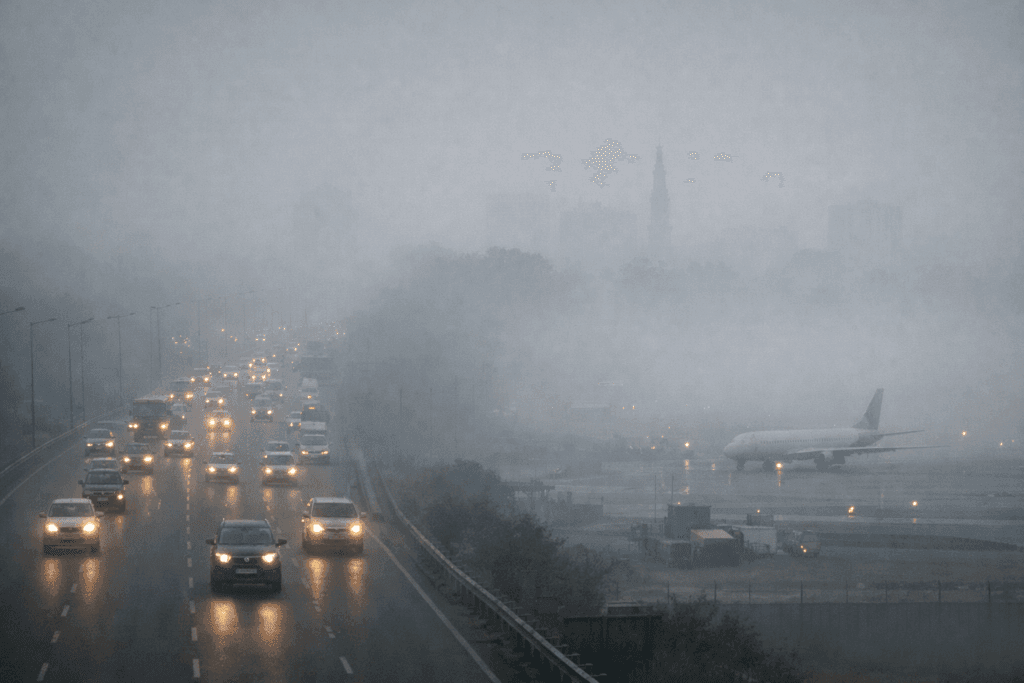
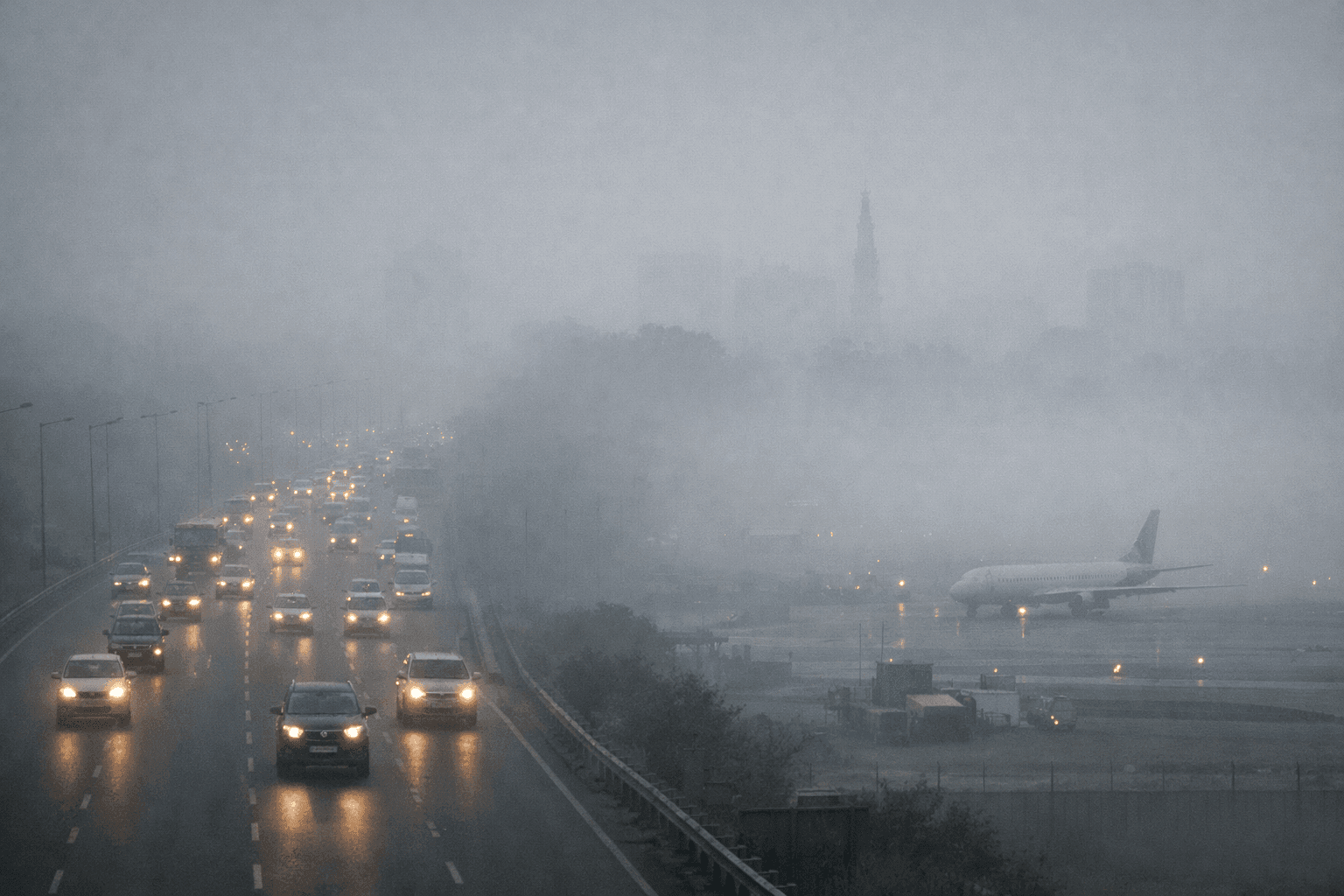
The Indian Winter Fog Crisis 2026 has tightened its grip across large parts of North India, severely affecting daily life, transport infrastructure, and public health. Dense fog combined with seasonal pollution has reduced visibility to near-zero levels in several regions, including Delhi NCR, Punjab, Haryana, Uttar Pradesh, and Rajasthan. Early morning hours have become particularly dangerous, forcing authorities to issue repeated advisories for commuters and travelers.
Indian Winter Fog Crisis 2026 Disrupts Air, Rail and Road Transport Across North India
Meteorological experts explain that stagnant wind conditions, high moisture levels, and temperature inversion have created an environment where fog persists for longer durations. Pollutants trapped close to the surface have further worsened visibility, turning routine travel into a major safety risk. As winter progresses, fog episodes are becoming more frequent and intense, raising concerns about long-term preparedness.
Transport systems are among the worst affected by Indian Winter Fog Crisis 2026. Major airports in North India are witnessing repeated flight delays and cancellations as pilots struggle to operate under low-visibility conditions. Even with advanced landing systems, operational bottlenecks during peak fog hours are unavoidable, leading to cascading delays throughout the day.
Rail services have also suffered significant disruptions. Long-distance trains are running several hours behind schedule due to mandatory speed restrictions imposed during foggy conditions. Railway authorities have implemented fog-safety protocols, including additional signaling support, but passenger inconvenience remains high as winter fog continues to disrupt schedules.
Road travel has become equally hazardous. National highways and urban roads have reported an increase in accidents caused by poor visibility. Multi-vehicle pile-ups, slow-moving traffic, and emergency diversions have become common during early mornings. Traffic police departments across states are urging motorists to avoid unnecessary travel, use fog lights, and maintain safe distances.
Beyond transport challenges, Indian Winter Fog Crisis 2026 is raising serious public health concerns. Hospitals across North India are reporting a surge in respiratory issues, including asthma attacks, bronchitis, eye irritation, and cardiovascular stress. Children, elderly citizens, and individuals with pre-existing respiratory conditions are particularly vulnerable during prolonged fog episodes.
Medical professionals warn that fog mixed with air pollutants can penetrate deep into the lungs, worsening chronic illnesses. Doctors are advising people to limit outdoor exposure, wear protective masks, and maintain proper indoor ventilation. Health departments are also monitoring a seasonal increase in viral infections, which tend to rise during cold and damp weather conditions.
Environmental experts point out that Indian Winter Fog Crisis 2026 is not purely a natural weather event. Vehicular emissions, industrial pollution, construction dust, and agricultural residue burning significantly contribute to deteriorating air quality during winter. When combined with atmospheric conditions that prevent vertical air movement, pollutants remain trapped, forming thick fog layers that persist for hours.
Authorities have introduced short-term mitigation measures such as regulating construction activity, restricting heavy vehicles during peak hours, and issuing pollution advisories. However, experts argue that these steps offer only temporary relief. Long-term solutions must focus on sustainable urban planning, cleaner transport systems, and stricter pollution controls.
Government agencies are actively responding to Indian Winter Fog Crisis 2026 by coordinating safety advisories and emergency measures. Some states have adjusted school timings and encouraged flexible office hours to reduce early-morning travel risks. Public announcements through digital platforms and social media are helping citizens stay informed about visibility conditions and safety precautions.
Public response has also evolved as residents adapt to recurring fog episodes. Remote work arrangements, delayed travel plans, and increased reliance on public transport have become common during peak winter weeks. Despite these adaptations, experts caution that without structural environmental reforms, such seasonal crises may intensify in the coming years.
In conclusion, Indian Winter Fog Crisis 2026 has once again exposed the vulnerability of North India’s transport and healthcare systems to extreme seasonal conditions. While emergency responses help manage immediate risks, sustained policy action and environmental reforms are essential to prevent future disruptions. As winter continues, coordinated efforts between authorities, healthcare providers, and citizens remain critical.
About The Author