Indian Playback Singing Crisis: 5 Truths After Arijit Singh’s Exit
5 min read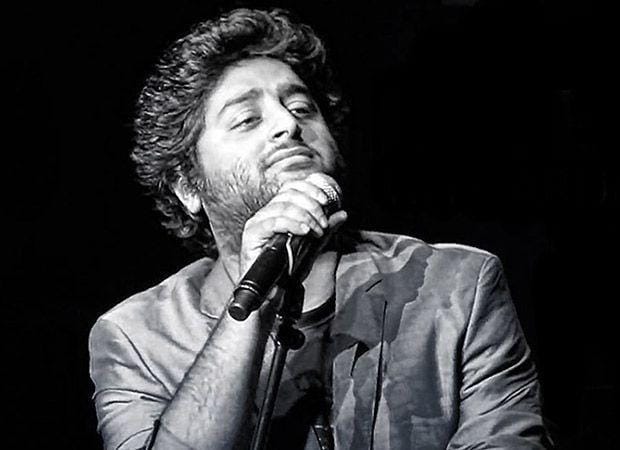
The Indian playback singing crisis came sharply into focus on February 5, 2026, when Arijit Singh, widely regarded as the most influential voice of contemporary Hindi cinema, announced his retirement from playback singing. What initially appeared to be the end of an illustrious personal journey has since evolved into a much deeper reckoning for the Indian music industry.
Arijit Singh’s departure has not only left a creative void in Bollywood but has also exposed long-simmering structural flaws—financial insecurity, lack of royalties, and systemic exploitation—that define the Indian playback singing crisis today.
As the industry grapples with the implications of losing its most bankable voice, uncomfortable questions are being asked about how singers are valued, compensated, and controlled.
Indian Playback Singing Crisis Begins With the End of an Era
The announcement came quietly, through a brief social media post. Arijit Singh stated that he would no longer accept new assignments as a playback vocalist, calling time on what he described as a “wonderful journey.” There was no controversy, no farewell concert—just silence.
For Hindi cinema, which has long relied on “star singers” to market films and soundtracks, the impact was immediate. Singh’s voice has defined an entire generation of film music, anchoring romantic ballads, heartbreak anthems, and chart-topping soundtracks across genres.
Yet, the significance of his exit goes beyond nostalgia. It has become the catalyst for a wider conversation about the Indian playback singing crisis, particularly for artists who do not possess Singh’s fame, bargaining power, or alternative revenue streams.
“We Don’t Even Get Enough Money”: Abhijeet Sawant Speaks Out
In the aftermath of Singh’s announcement, Abhijeet Sawant offered a rare and candid account of the economic realities faced by playback singers. Speaking on a YouTube platform, Sawant dismantled the popular myth that Bollywood singers enjoy financial stability simply by virtue of their visibility.
At the heart of his criticism lies the industry’s refusal to pay royalties—a standard practice in most global music markets but largely absent in India. According to Sawant, playback singers are paid a one-time recording fee, regardless of how successful a song becomes.
To illustrate the disparity, he cited the case of composer Biddu, noting that even limited work in Western markets generates lifelong royalty income. In contrast, Indian playback singers often see no financial benefit once their recording fee is exhausted.
This absence of royalties, Sawant argued, is a defining feature of the Indian playback singing crisis, leaving singers dependent on irregular work and live performances for survival.
Power, Control, and the Fear of Overshadowing Films
Sawant’s remarks went beyond economics, touching on the power structures that govern the industry. According to him, the system is designed to prevent singers from becoming larger than the films they serve.
By denying royalties and limiting compensation, producers ensure that star power remains concentrated on actors and franchises, not on voices. A financially independent singer, Sawant suggested, would have the leverage to negotiate terms—or walk away.
This dynamic helps explain why even an artist as successful as Arijit Singh ultimately chose to step aside. His exit underscores the reality that sustained creative output within the current framework comes at a personal and professional cost.
The Indian playback singing crisis, therefore, is not accidental. It is structural, intentional, and deeply embedded in how Bollywood allocates power.
The Trap of Exposure and the Illusion of Opportunity
One of the most revealing aspects of Sawant’s critique is his acknowledgment of singer complicity—driven not by greed, but by fear. In a highly competitive industry with limited opportunities, singers often accept unfair terms simply to remain visible.
The logic is familiar: record a hit song for a major film, gain recognition, and use that exposure to secure live shows and concerts. For many, these performances become the primary source of income.
However, this model reinforces the Indian playback singing crisis by weakening collective bargaining. When one singer refuses low pay or unfair conditions, another is ready to step in.
Sawant admitted that this desperation creates a race to the bottom. “If we don’t accept it, someone else will,” he said—summarizing a system where exploitation thrives on replaceability.
Why Arijit Singh’s Exit Is a Turning Point
Arijit Singh’s decision to step away has altered the conversation in a way years of quiet dissatisfaction never could. As the most successful playback singer of his era, his exit removes the illusion that success guarantees security.
If an artist of Singh’s stature can reach a breaking point, what hope exists for those still trying to establish themselves?
The Indian playback singing crisis is now impossible to ignore. It affects not only emerging artists but also the sustainability of the industry itself. Without fair compensation models, long-term creative investment becomes increasingly unattractive.
A System at Risk of Losing Its Voices
Hindi cinema has historically been defined by its music. Playback singers have given emotional depth to stories, creating cultural memory that outlives the films themselves.
Yet, the current system risks driving talent away—not through lack of opportunity, but through lack of dignity and security.
As voices like Abhijeet Sawant speak openly and figures like Arijit Singh step aside, the industry faces a choice: reform or stagnation.
Conclusion: The Silence After the Song
The Indian playback singing crisis is no longer an internal industry grievance—it is a public reckoning. Arijit Singh’s silence in the recording studio is symbolic, representing not just a personal decision but a broader failure to protect creative labor.
Unless royalty structures, compensation models, and power dynamics are addressed, the industry risks losing not just its biggest stars, but its future voices as well.
For now, the music continues—but the silence behind it is growing louder.
About The Author