Aravali Supreme Court Stay 2025: 7 Big Developments That Reignite the National Conservation Debate
3 min read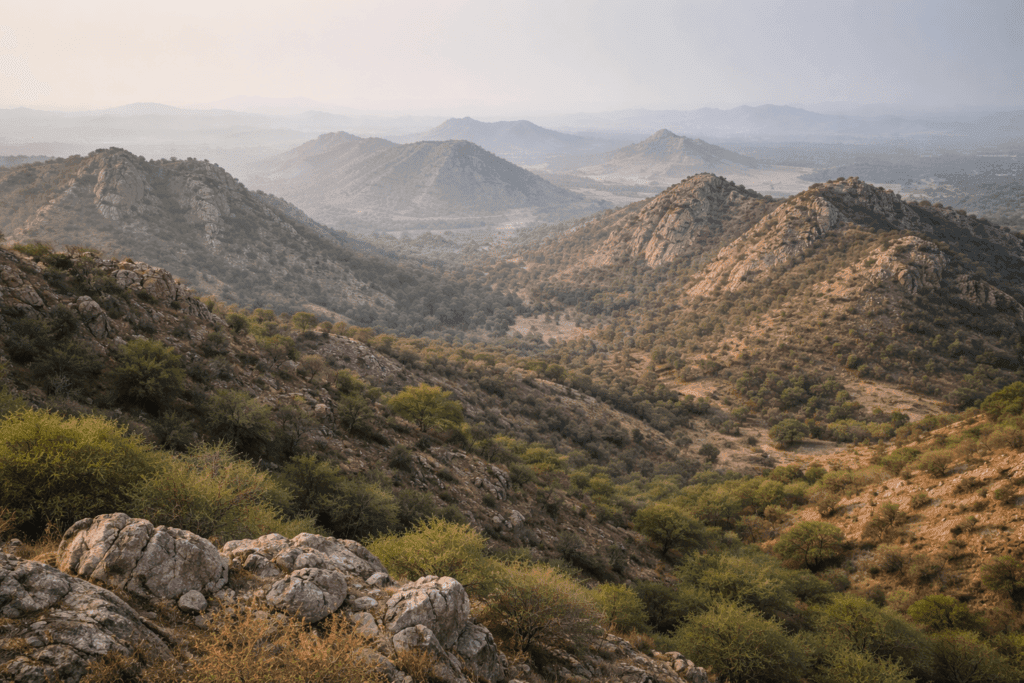
The Aravali Supreme Court Stay 2025 has emerged as a major national flashpoint after the apex court put its own recent order on hold, triggering renewed debates over environmental protection, mining restrictions, and judicial clarity. The decision has far-reaching implications for Rajasthan, Haryana, Delhi NCR, and India’s long-term ecological security.
https://samaacharbharat.com/category/national
What Is the Aravali Supreme Court Stay 2025 About?
The Supreme Court of India recently stayed its November 2024 ruling that sought to define the Aravali hills using a uniform 100-meter criterion. That earlier definition had drawn sharp criticism from environmental experts, activists, and civil society groups, who argued it would leave vast stretches of the Aravalli Range outside legal protection.
Acknowledging the ambiguity and widespread concern, the court paused the implementation and announced the formation of a new expert committee to re-examine the definition.
Why the Stay Matters Nationally
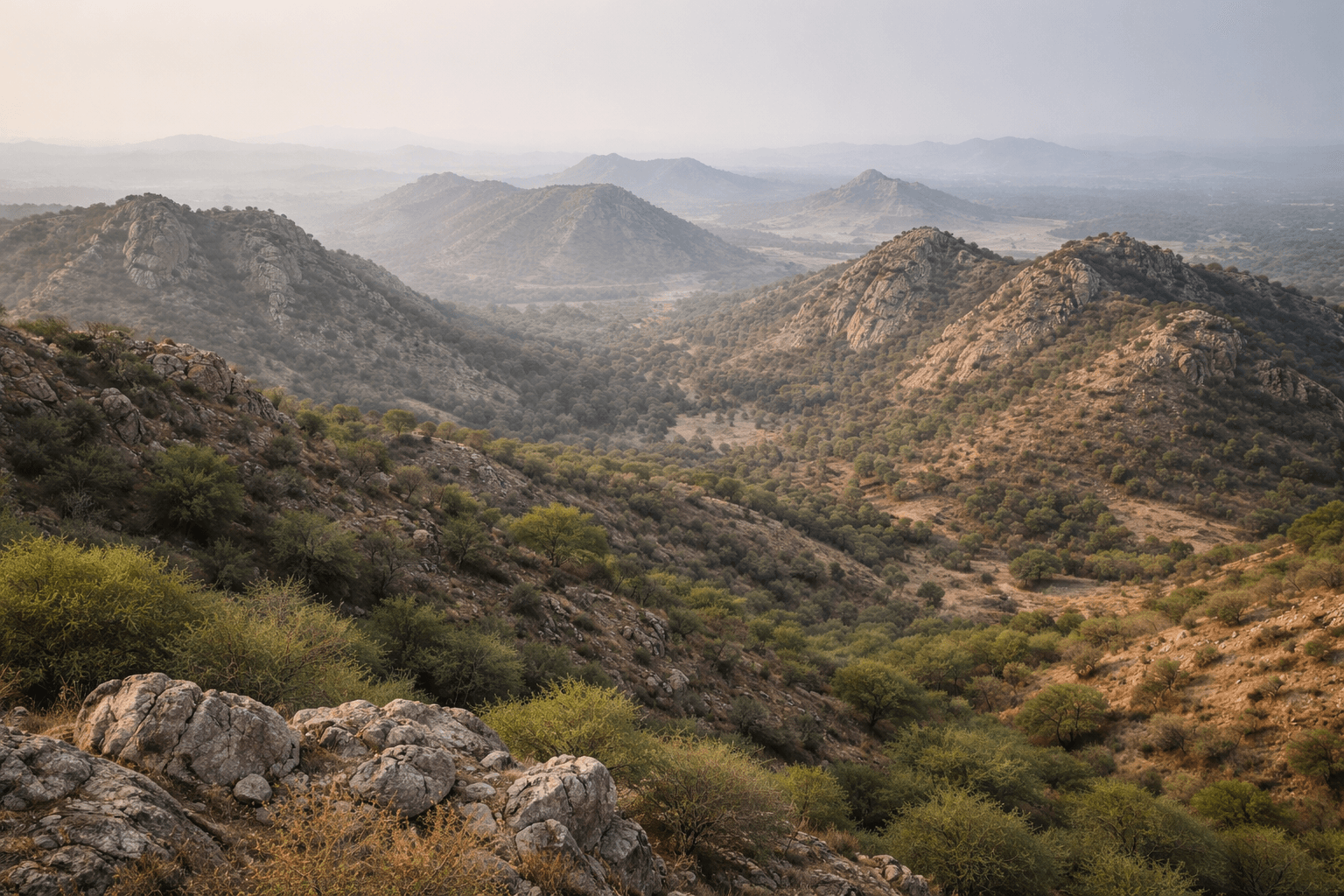
The Aravali range is one of the world’s oldest mountain systems and plays a crucial role in:
- Groundwater recharge across northwest India
- Acting as a natural barrier against desertification from the Thar
- Regulating air quality in Delhi NCR
- Supporting fragile biodiversity
Environmentalists warn that a narrow definition could have weakened safeguards against mining, real estate expansion, and deforestation.
Public Protests and Civil Response
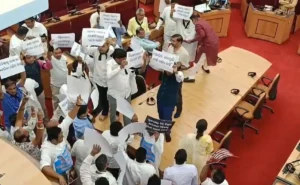
Following the initial ruling, protests erupted across Rajasthan and parts of North India. Jaipur witnessed silent marches, while environmental groups, students, and local residents organized “Save Aravali” campaigns demanding stronger legal protection.
Activists argue that the Aravali Supreme Court stay of 2025 is a temporary relief, not a final solution, and that long-term clarity is essential to prevent irreversible ecological damage.
Government’s Position
The Union Environment Ministry welcomed the court’s decision to pause implementation, stating that:
- Existing mining restrictions will continue
- No new mining leases will be granted until further orders
- Restoration and afforestation programmes remain in force
Officials maintain that conservation and development must be balanced but acknowledge that clearer definitions are required to avoid legal loopholes.
Expert Committee: What Comes Next?
The Supreme Court has indicated that the newly proposed expert panel will:
- Re-evaluate geological, ecological, and historical data
- Consult independent environmental scientists
- Recommend a more comprehensive and region-specific definition
The court is expected to review the panel’s findings in the coming months, making the Aravali Supreme Court stay 2025 a transitional but critical phase.
Environmental and Legal Concerns
Legal experts note that frequent reversals in sensitive environmental cases can create uncertainty at the ground level. Forest officials, local administrations, and enforcement agencies often rely on judicial clarity to act decisively against illegal mining and land misuse.
At the same time, conservationists stress that the Aravalis are already severely degraded, with large sections lost to unregulated activity over decades.
National Implications Beyond Rajasthan
The outcome of the Aravali case could set a precedent for how India defines and protects ecologically sensitive zones. Observers say it may influence future rulings related to:
- Western Ghats
- Coastal Regulation Zones
- Forest buffer definitions near urban areas
For Delhi NCR, the stakes are particularly high, as the Aravalis help curb dust pollution and extreme heat.
Policy analysts also point out that the Aravali Supreme Court stay 2025 has reopened discussions on India’s environmental governance framework, highlighting the urgent need for science-backed definitions, transparent consultation, and stronger coordination between courts, governments, and conservation authorities to ensure durable ecological protection.
The Road Ahead
While the Aravali Supreme Court stay of 2025 has temporarily halted a controversial definition, the larger battle over conservation versus development remains unresolved. The final ruling will likely shape India’s environmental jurisprudence for years to come.
Until then, activists, policymakers, and citizens alike are watching closely, aware that what happens to the Aravalis will directly affect climate resilience, public health, and sustainable growth.
About The Author