US Iran Talks Oman: World Watches as High-Stakes Diplomacy Begins
4 min read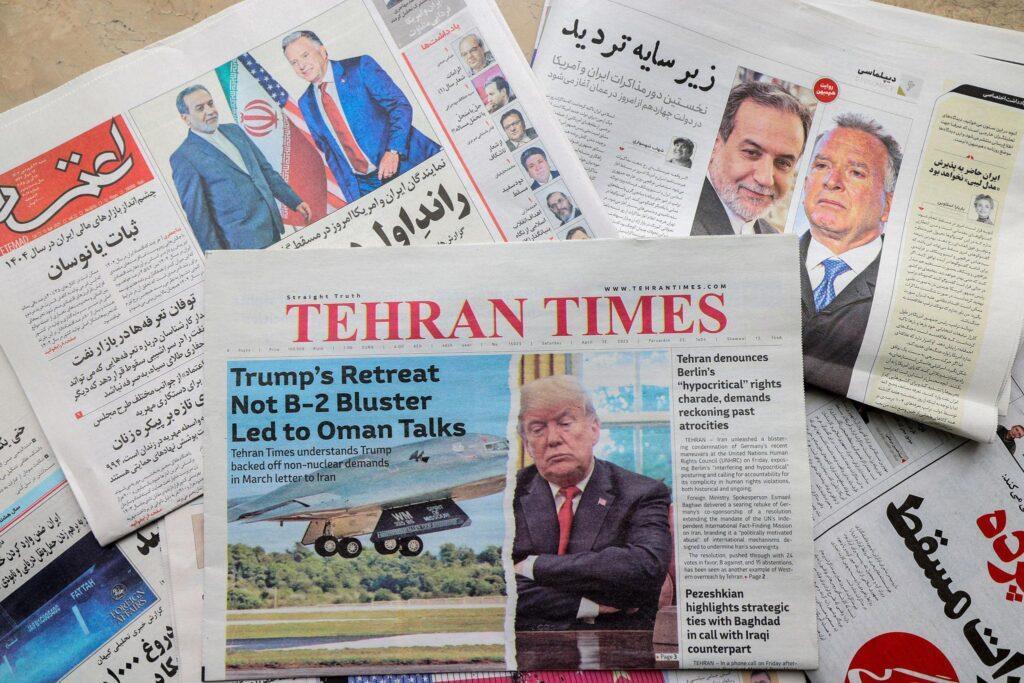
US Iran talks Oman have begun under extraordinary global tension, with the Middle East once again at the centre of a potential military conflagration. Senior officials from Washington and Tehran are meeting in Muscat on February 5, 2026, in what diplomats are calling a last-ditch effort to prevent open conflict after weeks of escalating threats, troop deployments, and war rhetoric.
The talks come as Donald Trump has ordered thousands of additional US troops, bombers, and an armada of naval vessels into the region, warning that Iran will face devastating consequences if diplomacy fails. Tehran, in turn, has placed its armed forces on high alert, threatening retaliation against US bases and allies, including Israel.
US Iran Talks Oman: Why the World Is on Edge
The US Iran talks Oman mark the first direct engagement between the two adversaries since last year’s explosive conflict involving Israel and Iran—a confrontation that culminated in US strikes on Iran’s primary nuclear facilities. Since then, mistrust has deepened, and diplomatic channels have remained frozen.
President Trump has made his position unmistakably clear. Asked whether Iran’s Supreme Leader Ali Khamenei should be concerned, Trump replied bluntly:
“I would say he should be very worried.”
Iranian officials have responded with equally stark language. Foreign Minister Abbas Araghchi warned that Iran’s forces are standing “with their fingers on the trigger,” signalling readiness for a regional escalation if attacked.
Who Is at the Negotiating Table in Oman
The composition of the delegations underscores how unconventional and high-risk the US Iran talks Oman are.
🇺🇸 United States
The US delegation is led by special envoy Steve Witkoff, a close Trump ally. Notably, Jared Kushner is also involved, highlighting the White House’s preference for trusted insiders over traditional diplomatic channels.
US Secretary of State Marco Rubio has expressed skepticism, stating publicly that Washington is unsure whether Iran is negotiating in good faith.
🇮🇷 Iran
Iran is represented by Foreign Minister Abbas Araghchi, acting on instructions from President Masoud Pezeshkian to pursue “fair and equitable” negotiations. However, Iranian officials insist they will not accept what they see as humiliating or sovereignty-eroding demands.
US Iran Talks Oman: A Regime Under Unprecedented Pressure
Analysts say the US Iran talks Oman may represent Tehran’s last realistic opportunity to avoid a military strike that could destabilize—or even topple—the Islamic Republic.
Iran is facing its gravest internal crisis since the 1979 revolution. A collapsing economy, international isolation, and widespread domestic unrest have eroded the regime’s legitimacy. Just weeks ago, Iranian security forces crushed nationwide protests demanding systemic change.
According to human rights groups:
- 6,883 confirmed deaths during protests
- Over 50,000 arrests nationwide
- Growing calls for the end of clerical rule
Western intelligence officials believe sustained military pressure could push Iran’s leadership into existential crisis.
The Three Major Deal Breakers
Despite the urgency, the US Iran talks Oman face deep structural obstacles.
1️⃣ The Nuclear Standoff
Washington is demanding Iran freeze uranium enrichment and dismantle its stockpile of roughly 400 kg of highly enriched uranium. Iran rejects transferring the material abroad but has hinted at a possible compromise involving a regional enrichment consortium.
The US views Iran’s nuclear program as a red line, while Tehran argues enrichment is its sovereign right under international law.
2️⃣ Missiles and Proxy Forces
The US insists that any agreement must address Iran’s ballistic missile program and its backing of groups such as Hezbollah, Hamas, and the Houthis.
Iran has flatly rejected this, calling such demands non-negotiable and outside the scope of nuclear talks.
3️⃣ Sanctions Relief
Iran is seeking immediate relief from crippling US-led sanctions. Critics warn that lifting sanctions could strengthen hardliners, while Trump allies argue a deal could provide a diplomatic “off-ramp” from war.
Behind-the-Scenes Drama Over the Venue
Even the location of the US Iran talks Oman became a point of contention. The talks were initially planned for Istanbul, with Egypt, Turkey, and Qatar acting as intermediaries. Iran, however, demanded a last-minute shift to Oman and insisted on excluding third-party mediators.
Oman’s long-standing role as a discreet diplomatic broker ultimately made it acceptable to both sides.
What Happens If Talks Collapse
Failure of the US Iran talks Oman could trigger rapid escalation:
- Expanded US airstrikes
- Iranian attacks on US bases
- Threats to global oil shipping routes
- Regional conflict involving Israel and Gulf states
Energy markets and global stock indices have already shown signs of nervous volatility.
Why These Talks Matter Globally
The outcome of the US Iran talks Oman will shape:
- Middle East stability
- Global energy prices
- Nuclear non-proliferation norms
- US credibility in crisis diplomacy
With both sides entrenched yet under pressure, the talks represent one of the most consequential diplomatic gambles of the decade.
About The Author