Trump Pearl Harbor Remark Overshadows Japan PM Visit, Sparks Global Debate
3 min read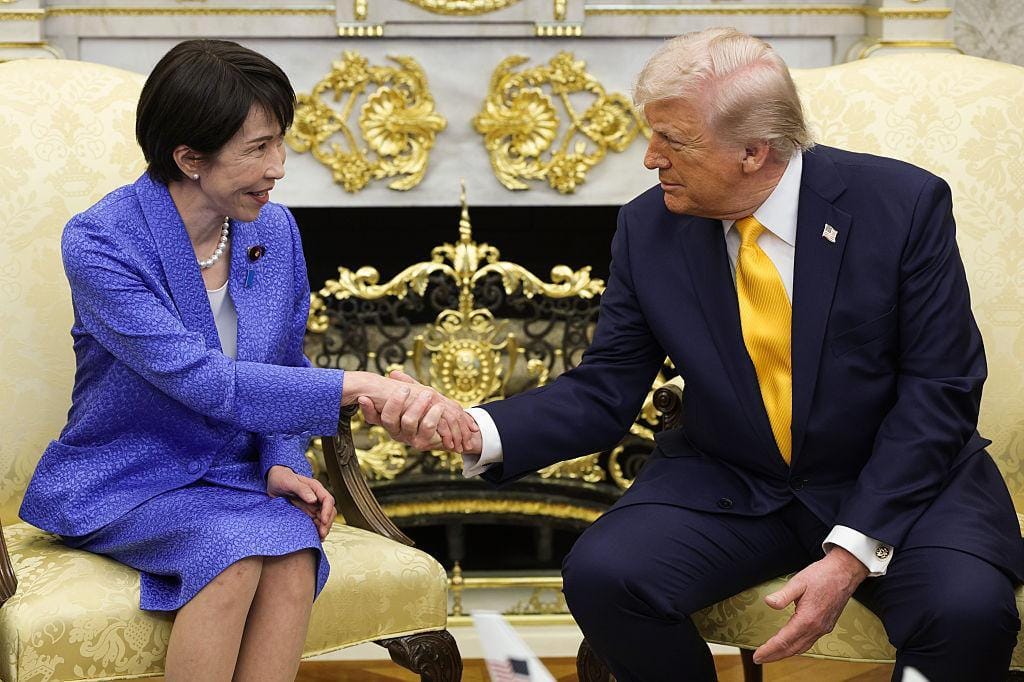
Trump Pearl Harbor remark has taken over global headlines during the recent visit of Japan’s Prime Minister, diverting attention from crucial diplomatic discussions and triggering widespread international reactions. The unexpected historical reference has raised serious questions about diplomatic sensitivity and the impact of political language on global relations.
Trump Pearl Harbor Remark Creates Diplomatic Shockwaves
The Trump Pearl Harbor remark quickly became the central talking point during what was expected to be a strategically important meeting between the United States and Japan. The visit was initially focused on strengthening bilateral ties, enhancing economic cooperation, and addressing security concerns in the Indo-Pacific region. However, the remark shifted attention away from these critical objectives almost instantly.
Pearl Harbor remains one of the most historically sensitive events in US-Japan relations. Any reference to it in a modern diplomatic setting carries significant emotional and symbolic weight. Political analysts believe that bringing up such a topic, especially during a high-level visit, can alter the tone of discussions and create unintended diplomatic tension.
Despite no official disruption in talks, the atmosphere surrounding the visit reportedly changed. Media coverage, both domestic and international, rapidly pivoted toward analyzing the remark instead of highlighting policy discussions or agreements. This demonstrates how a single statement can dominate narratives in today’s fast-paced information ecosystem.
Experts argue that diplomatic communication requires precision and awareness of historical context. Even minor deviations from expected language can lead to disproportionate reactions, especially when global media amplification comes into play. In this case, the Trump Pearl Harbor remark served as a reminder of how fragile diplomatic optics can be.
Trump’s Pearl Harbor Remark Triggers Global Reactions
The Trump Pearl Harbor remark quickly went viral, trending across global news platforms and social media channels. Within hours, it became one of the most discussed topics internationally, with political commentators and analysts offering varied interpretations of its intent and implications.
Some observers viewed the remark as controversial and unnecessary, questioning its timing and relevance during a diplomatic visit. Others suggested it reflects a broader pattern of unconventional communication that often characterizes high-profile political figures. Regardless of interpretation, the reaction was immediate and widespread.
Social media platforms played a significant role in amplifying the situation. The keyword “Trump Pearl Harbor remark” saw a surge in search interest, indicating strong public engagement and curiosity. Discussions ranged from historical analysis to diplomatic critique, highlighting how deeply such references resonate across audiences.
International relations experts emphasize that language used in diplomacy is never neutral. Every word carries weight, especially when spoken in official contexts. The remark not only influenced media narratives but also shaped public perception of the visit itself, overshadowing its intended purpose.
Impact on US-Japan Relations and Future Diplomacy
While the Trump Pearl Harbor remark created a wave of controversy, both the United States and Japan continue to maintain strong diplomatic ties. The alliance between the two nations remains a cornerstone of stability in the Indo-Pacific region, with ongoing cooperation in defense, trade, and technology.
Diplomatic insiders suggest that such incidents, while impactful in the short term, are unlikely to cause lasting damage. Both countries have established mechanisms to manage sensitive issues and maintain mutual trust. However, the situation underscores the importance of careful communication in high-stakes diplomatic engagements.
Moving forward, leaders are expected to approach historical references with greater caution, especially in international settings. The incident serves as a case study in how quickly narratives can shift and how crucial it is to maintain focus on strategic objectives.
At a broader level, the episode highlights a key reality of modern diplomacy: perception is as important as policy. In an era dominated by real-time news cycles and viral content, even a brief remark can redefine the global narrative of an entire event.
The Trump Pearl Harbor remark ultimately demonstrates how powerful words can be in shaping international discourse. As global attention continues to evolve rapidly, managing communication effectively will remain a critical challenge for political leaders worldwide.
About The Author