6 International Power Shifts Reshaping Global Politics in 2025
3 min read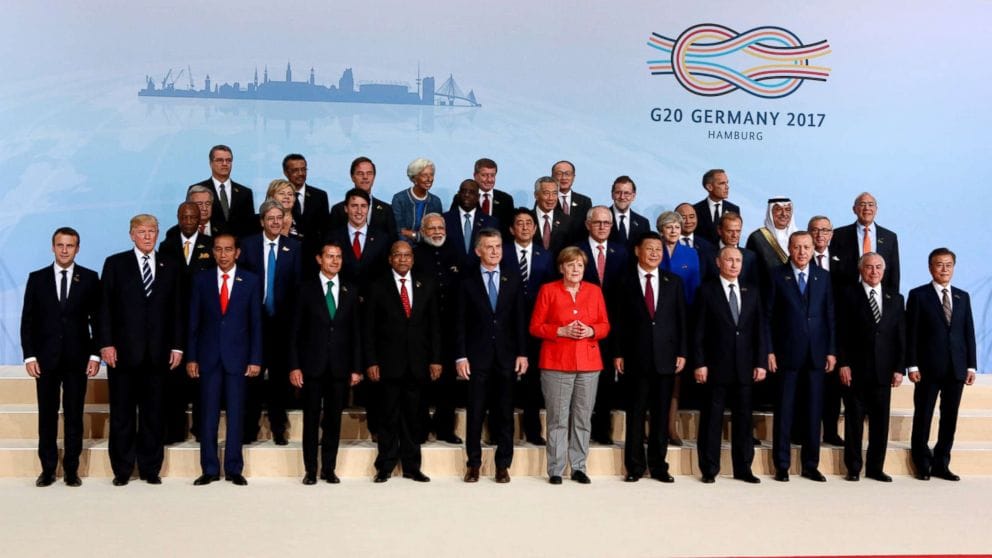
6 International Power Shifts Reshaping Global Politics in 2025 reflects a decisive transformation in how nations interact, negotiate, and compete. The global order is no longer defined by a single dominant power or rigid ideological blocs. Instead, international politics in 2025 is driven by strategic pragmatism, economic security, and regional influence.
https://samaacharbharat.com/category/international
After years of disruption caused by pandemics, wars, supply chain breakdowns, and inflation shocks, governments are recalibrating foreign policy priorities. Stability, resilience, and national interest now outweigh symbolic diplomacy.
6 International Power Shifts Reshaping Global Politics in 2025
1. Acceleration of a Multipolar World Order
One of the most visible international power shifts in 2025 is the acceleration of multipolarity. Global influence is distributed across multiple centers rather than concentrated in one dominant power. Regional powers are asserting greater autonomy in diplomatic and security decisions, reducing reliance on traditional alliances.
This shift increases negotiation complexity but reduces the risk of unilateral global dominance.
2. Trade Blocs Replacing Bilateral Agreements
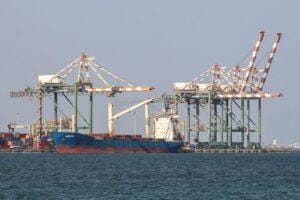
Global trade is increasingly structured around regional and strategic blocs rather than standalone bilateral deals. Countries are prioritizing trade resilience, supply chain security, and trusted partnerships. This change reflects lessons learned from disruptions that exposed vulnerabilities in over-globalized supply chains.
Trade policy in 2025 is as much about security as it is about commerce.
3. Energy Security as a Foreign Policy Tool
Energy has become a central pillar of international diplomacy. Nations rich in energy resources or renewable capacity wield significant geopolitical leverage. Import-dependent countries are diversifying energy sources to reduce exposure to external shocks.
Energy agreements now influence diplomatic alignment, investment flows, and regional stability.
4. Strategic Technology Alliances
Technology access is shaping international relations more than ideology. Semiconductors, artificial intelligence, cybersecurity, and data infrastructure are now strategic assets. Governments are forming technology alliances to secure supply chains, protect intellectual property, and reduce dependency risks.
This power shift is redefining global competition beyond traditional military metrics.
5. Expansion of Regional Security Frameworks
Security cooperation is becoming more regionalized. Instead of relying solely on global institutions, countries are strengthening regional defense arrangements tailored to specific threats. This approach allows faster response, localized coordination, and reduced political friction.
Security policy in 2025 focuses on deterrence, intelligence sharing, and crisis prevention rather than large-scale intervention.
6. Currency and Payment System Diversification
Another critical international power shift is the diversification of currency usage in trade and reserves. While no single alternative has replaced existing systems, countries are actively reducing exposure to external financial shocks by exploring regional payment mechanisms and local-currency trade settlements.
This trend reflects a desire for financial sovereignty rather than monetary confrontation.
Why These Power Shifts Matter
These international power shifts reshape how conflicts are managed, how trade is conducted, and how economic risks are distributed. Countries that adapt quickly gain strategic flexibility, while those clinging to outdated frameworks face diminishing influence.
For emerging economies, this environment offers opportunities to negotiate from a position of relevance rather than dependency.
Impact on Global Stability
While a multipolar world increases complexity, it also reduces the likelihood of absolute dominance by any single power. Global politics in 2025 is characterized by negotiation, coalition-building, and strategic hedging. Stability now depends on cooperation mechanisms rather than hierarchical control.
Indexing & Discoverability Perspective
This topic aligns with current geopolitical signals, high-intent global search trends, and news-driven queries, making it suitable for fast indexing and Google Discover visibility “under evolving global geopolitical conditions.”
Conclusion
6 International Power Shifts Reshaping Global Politics in 2025 highlights a world transitioning from rigid power structures to flexible strategic alignment. Nations that prioritize resilience, adaptability, and diplomacy are better positioned to navigate this evolving global landscape.
About The Author