Winter Illnesses in India 2026: 9 Health Risks Rising as Cold Season Peaks
3 min read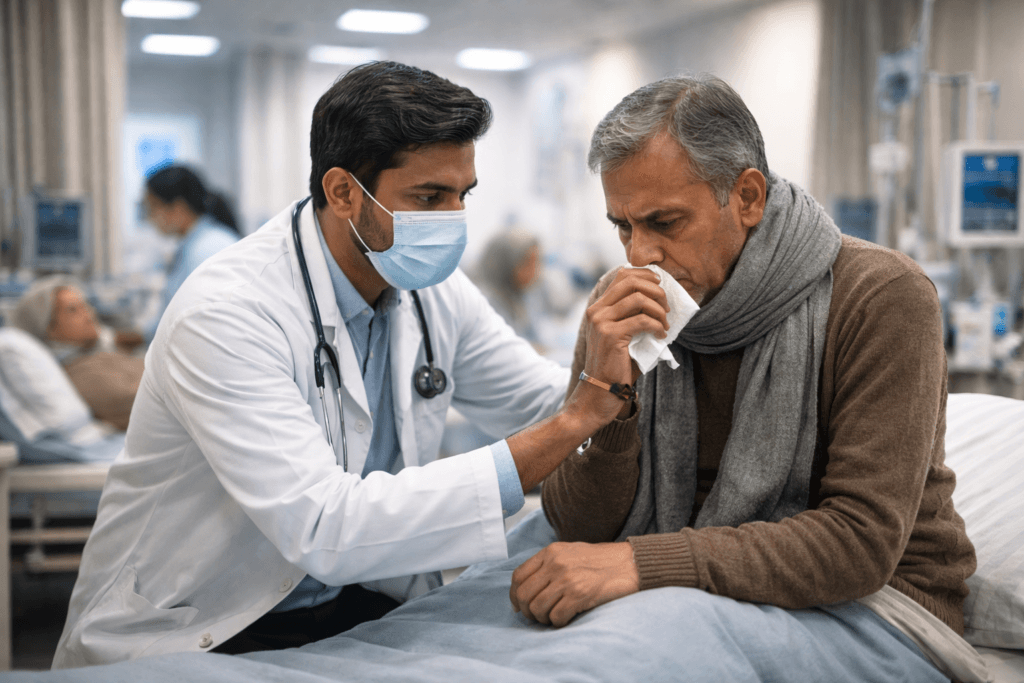
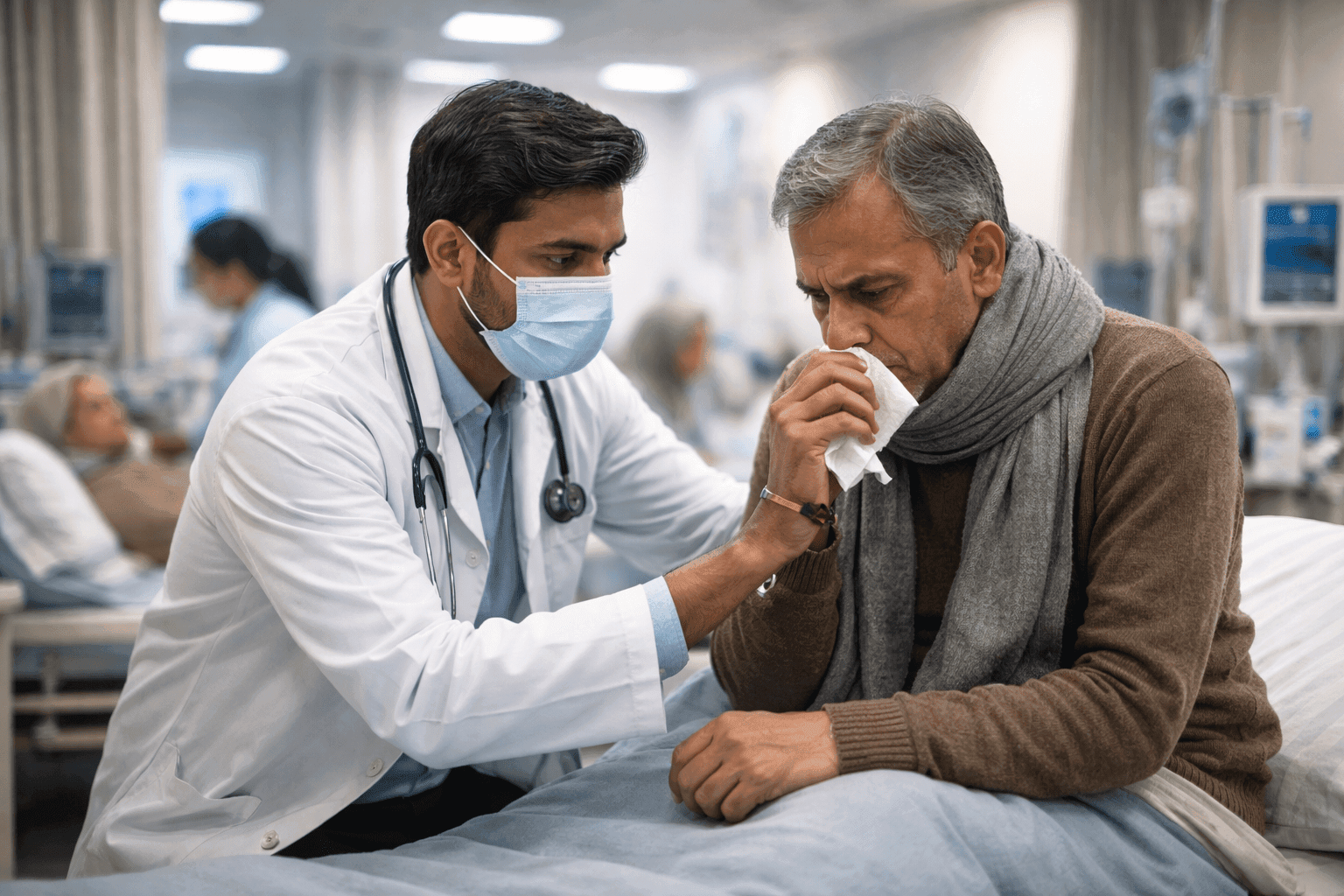
Winter illnesses in India 2026 are once again drawing national attention as hospitals across several states report a seasonal rise in respiratory infections, viral fevers, and cold-related complications. Health experts warn that fluctuating temperatures, poor air quality, and weakened immunity during winter months are contributing to increased illness, especially among children, elderly people, and those with existing conditions.
https://samaacharbharat.com/category/health
Seasonal Spike in Respiratory Infections
Doctors report a noticeable rise in upper and lower respiratory tract infections during winter. Common conditions include viral flu, bronchitis, sinus infections, and pneumonia. Cold air, indoor crowding, and reduced ventilation allow viruses to spread more easily, increasing the burden on healthcare facilities.
According to public health officials, winter illnesses in India in 2026 are showing familiar patterns, but with higher case loads in urban areas affected by pollution.
Flu and Viral Fevers on the Rise
Seasonal influenza remains one of the most common winter illnesses. Symptoms such as fever, cough, sore throat, body aches, and fatigue are widely reported. While most cases are mild, doctors caution that the flu can turn severe for high-risk groups if not managed early.
Health authorities continue to advise timely medical consultation for persistent or worsening symptoms.
COVID Variants Still Under Watch
Although COVID-19 is no longer classified as a public health emergency, new variants continue to circulate at low levels. Experts say that winter conditions can facilitate viral transmission, making surveillance and testing important for vulnerable populations.
The Ministry of Health and Family Welfare has advised states to maintain readiness without creating panic.
Impact of Air Pollution on Winter Health
Air pollution significantly worsens winter illnesses in India in 2026, particularly in northern regions. Poor air quality aggravates asthma, chronic obstructive pulmonary disease (COPD), and heart conditions. Hospitals in Delhi NCR and nearby states report increased emergency visits during high pollution days.
Doctors advise limiting outdoor exposure during peak pollution hours and using protective measures when necessary.
Children and Elderly at Higher Risk
Young children and senior citizens are most vulnerable during winter. Children face higher risks of viral infections, while elderly individuals are more prone to complications such as pneumonia and heart-related issues triggered by cold stress.
Healthcare professionals stress the importance of vaccinations, warm clothing, and regular health monitoring for these age groups.
Lifestyle Factors Add to Health Burden
Sedentary habits, poor diet choices, and reduced physical activity during winter months weaken immunity. Experts note that people tend to consume heavier foods and exercise less, increasing susceptibility to infections and metabolic issues.
Maintaining balanced nutrition and light physical activity indoors can help reduce risks.
Hospital Preparedness and Healthcare Load
Government and private hospitals are preparing for seasonal surges by increasing staffing, stockpiling medicines, and strengthening emergency response systems. While the healthcare system is better prepared than in previous years, doctors warn against complacency.
Early diagnosis and home isolation for mild cases can help reduce unnecessary hospital crowding.
Preventive Measures Doctors Recommend
Medical experts recommend simple but effective steps to reduce winter illnesses:
- Regular hand hygiene
- Wearing masks in crowded indoor spaces
- Staying hydrated
- Getting adequate sleep
- Seeking timely medical advice
Vaccination against flu is also advised for high-risk individuals.
Health experts emphasise that winter illnesses in India 2026 require sustained public awareness, timely vaccination, pollution control measures, and early medical intervention to prevent complications, especially in high-risk groups, as seasonal infections continue to strain outpatient services, emergency wards, and diagnostic facilities across urban and semi-urban regions during peak winter months.
Outlook for the Remaining Winter Months
Health officials expect winter illnesses in India in 2026 to remain elevated until seasonal temperatures begin to rise. With proactive prevention, public awareness, and timely treatment, experts believe severe outcomes can be minimized.
The focus, they stress, should be on prevention rather than panic, as most winter illnesses are manageable with early care.
About The Author