India Banking Sector Shows Resilience Amid Global Economic Uncertainty
4 min read
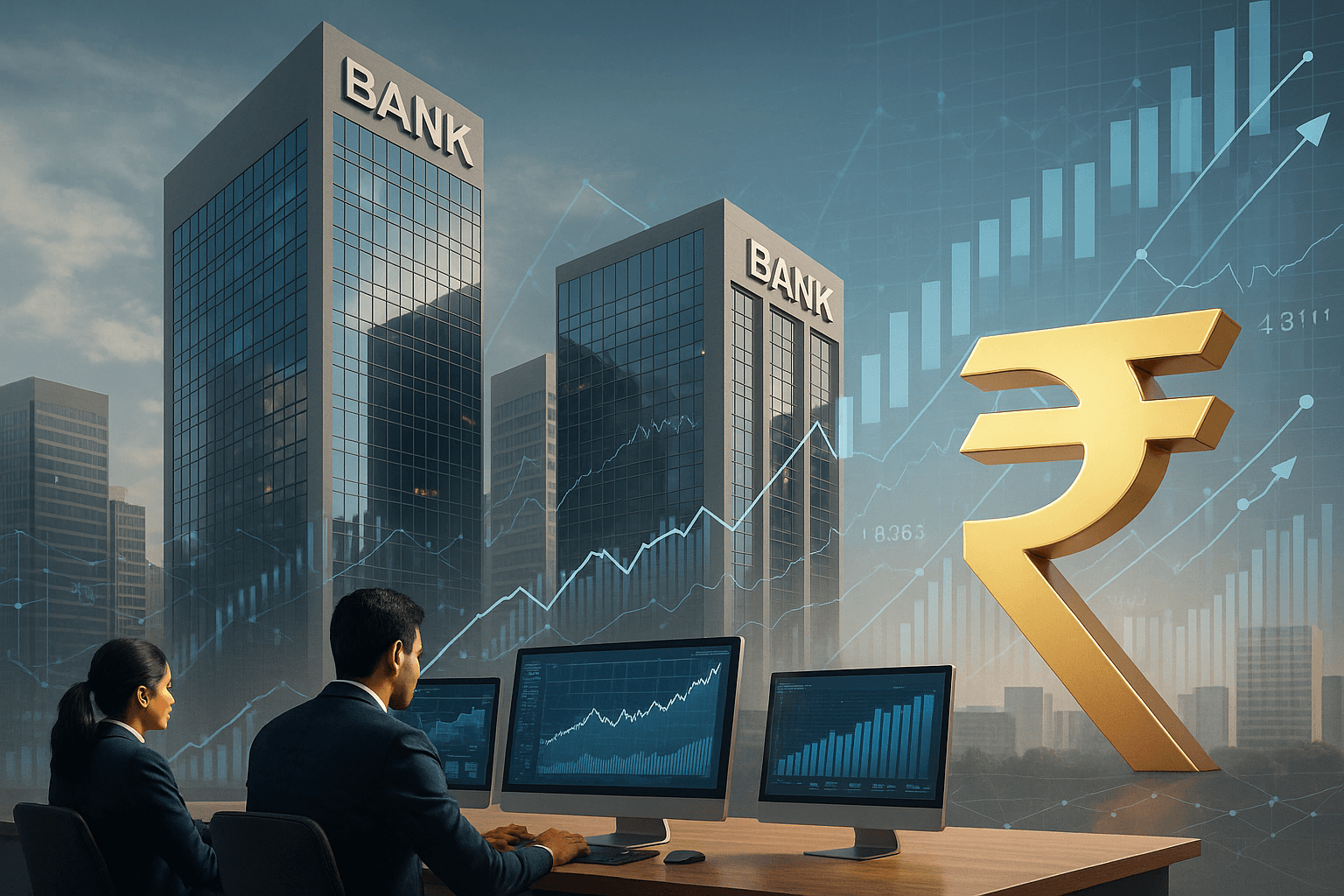
India banking sector is demonstrating notable resilience at a time when global financial systems are facing sustained pressure from high interest rates, geopolitical tensions, and slowing economic growth in major economies. Despite global volatility, Indian banks continue to report stable asset quality, steady credit growth, and improved capital adequacy, reinforcing confidence in the domestic financial system.
Over the past few years, structural reforms, tighter regulatory supervision, and balance sheet clean-ups have strengthened the foundation of India’s banking ecosystem. These improvements are now helping banks absorb external shocks more effectively than in previous global downturns.
India Banking Sector Strengthened by Improved Asset Quality
India banking sector has seen a consistent decline in non-performing assets (NPAs), reflecting improved lending discipline and better risk management practices. Both public and private sector banks have reported healthier loan books, supported by recoveries, write-offs, and cautious credit expansion.
The reduction in stressed assets has allowed banks to redirect capital toward productive lending. Sectors such as infrastructure, manufacturing, renewable energy, and MSMEs have benefited from improved credit availability. Analysts believe that lower NPAs have significantly enhanced the sector’s ability to withstand global financial stress.
Capital Adequacy and Provisioning Buffer
Indian banks have also strengthened their capital buffers. Improved profitability and timely capital infusion have ensured that most banks remain well above regulatory capital adequacy norms. Adequate provisioning against potential loan losses has further reduced systemic risk.
Experts note that this capital resilience gives Indian lenders greater flexibility to manage fluctuations in interest rates and currency movements without destabilising the broader financial system.
Credit Growth Remains Stable Despite External Headwinds
India banking sector continues to record steady credit growth, driven largely by domestic demand rather than external borrowing. Retail loans, housing finance, vehicle loans, and working capital credit for businesses remain key growth drivers.
Corporate credit demand has gradually improved as companies expand capacity and invest in long-term projects. Government-led infrastructure spending has also created sustained demand for project financing, supporting banking sector growth.
Retail Lending and Consumption Trends
Retail lending has emerged as a crucial pillar of banking stability. Rising incomes, urbanisation, and formalization of the economy have supported growth in personal loans and consumer credit. However, banks are exercising caution in unsecured lending to avoid asset quality stress.
Regulators have repeatedly advised banks to balance growth with prudence, ensuring that consumer credit expansion does not compromise long-term stability.
Role of RBI in Maintaining Financial Stability
The Reserve Bank of India (RBI) has played a central role in ensuring the stability of India’s banking sector. Through calibrated monetary policy, liquidity management, and strict supervision, the central bank has sought to balance inflation control with financial system health.
While global central banks continue to navigate complex policy environments, the RBI’s cautious approach has helped limit volatility in domestic markets. Analysts credit regulatory foresight for shielding Indian banks from excessive exposure to risky global assets.
According to guidance and policy frameworks issued by the Reserve Bank of India, banks are required to maintain robust risk management systems and conduct regular stress testing to prepare for adverse scenarios.
Global Challenges and Risk Factors Ahead
Despite its resilience, India banking sector is not immune to global risks. Prolonged geopolitical tensions, volatile commodity prices, and uncertainty in global capital flows could impact funding costs and currency stability.
External commercial borrowings and exposure to global markets require careful monitoring. Banks are increasingly focusing on diversified funding sources and conservative exposure limits to manage these risks effectively.
Technology and Cybersecurity Concerns
As banks accelerate digital transformation, cybersecurity risks have gained prominence. Increased reliance on digital platforms exposes financial institutions to operational risks that must be addressed through continuous investment in security infrastructure and employee training.
The adoption of advanced analytics and automation is expected to improve efficiency, but experts stress the importance of regulatory compliance and data protection.
Long-Term Outlook for India’s Banking System
Looking ahead, India banking sector is expected to benefit from sustained economic growth, structural reforms, and expanding financial inclusion. Digital banking, fintech collaboration, and improved credit assessment tools are likely to enhance efficiency and outreach.
Economists believe that strong domestic demand, combined with regulatory vigilance, will continue to support banking stability even amid global uncertainty. However, maintaining asset quality discipline and prudent lending standards will remain essential.
As India’s economy grows, the banking sector will play a critical role in financing development while safeguarding financial stability.
latest detailed information is regularly published on Samaachar Bharat.
About The Author