Marburg Virus Outbreak in Ethiopia: Latest Updates & Prevention Tips 2025
Ethiopia has confirmed its first outbreak of the deadly Marburg virus disease (MVD), marking a critical moment in the country’s public health landscape. As of mid-November 2025, nine cases have been reported, including infections among healthcare workers, with three deaths confirmed. The outbreak was detected in the southern Omo region near the border with South Sudan, prompting urgent response measures by Ethiopian authorities, supported by international health organizations.
What is Marburg virus disease?
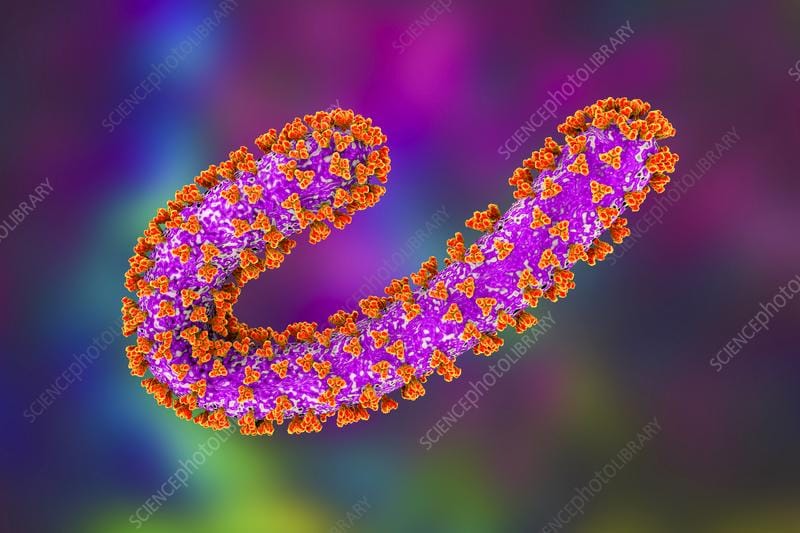
Marburg virus disease is a rare but severe hemorrhagic fever caused by the Marburg virus, a member of the same virus family as Ebola. It is transmitted to humans primarily through contact with fruit bats, its natural reservoir, and spreads rapidly between people via direct contact with bodily fluids of infected individuals or contaminated surfaces, very fast after Covid. The incubation period ranges from 2 to 21 days, with symptoms starting abruptly, including high fever, severe headache, muscle pain, vomiting, diarrhea, abdominal pain, and bleeding from various body sites. Without timely supportive care, the disease can cause multi-organ failure and death.
Emergence and Spread in Ethiopia
The outbreak first appeared in the South Ethiopia Region, specifically in the towns of Jinka and areas around the Omo river, close to the fragile health infrastructure of neighboring South Sudan. The initial alert came after a cluster of suspected viral hemorrhagic fever cases was reported, leading to laboratory testing by the Ethiopian Public Health Institute which confirmed Marburg virus as the cause. Among the confirmed cases are healthcare workers, highlighting the risk to those on the frontline of patient care.
Government and International Response
Ethiopian health authorities, including the Federal Ministry of Health and the Ethiopian Public Health Institute (EPHI), responded swiftly by activating response protocols such as enhanced surveillance, contact tracing, isolation of cases, and community sensitization campaigns to prevent further spread. Public awareness efforts stress the importance of following health guidelines and seeking immediate medical care if symptoms develop.
International support has been substantial. The World Health Organization (WHO) has deployed technical experts to assist with outbreak response, providing medical supplies, personal protective equipment (PPE), and isolation tents to expand clinical capacity. WHO released emergency funds to support Ethiopia’s containment measures. Similarly, the Africa Centres for Disease Control and Prevention (Africa CDC) coordinates closely with Ethiopian authorities, enhancing genomic sequencing, field investigations and infection prevention controls. Africa CDC also works on cross-border readiness with neighboring countries to minimize regional spread risk.
Public Health Risks and Precautions
This outbreak raises serious public health concerns because of Marburg virus’s high fatality rate and ability to spread quickly in communities and healthcare settings. Though no large-scale transmission has been reported yet, the risk remains significant due to the virus’s contagious nature. Comprehensive outbreak management stresses avoiding direct contact with bodily fluids of infected persons, proper use and disposal of medical instruments, safe burial practices, and avoiding contact with wild animals including fruit bats.
Health workers are advised to use full protective gear including masks, gloves, and gowns when caring for suspected cases to prevent occupational exposure. Community engagement programs focus on educating the public about the symptoms, transmission routes, and preventive measures to reduce panic and misinformation.
Symptoms and Medical Attention
Early symptoms typically appear 2 to 7 days after exposure and include fever, headache, severe malaise, muscle pain, and rash. Progression may bring vomiting, diarrhea, abdominal cramps, and severe bleeding. Given the absence of specific antiviral treatments or vaccines for Marburg virus, supportive care in isolation is critical to improve survival chances. Prompt medical consultation is essential for anyone experiencing symptoms after possible exposure.
Looking Ahead: Containment and Future Preparedness
Ethiopia’s prompt detection and transparent communication have been praised internationally as essential to early containment efforts. Continued vigilance through widespread screening, contact tracing, and supporting healthcare infrastructure will be vital in halting the outbreak. This crisis also underscores the need for strengthening regional disease surveillance and laboratory capacities to swiftly identify and respond to emerging infectious threats.
Furthermore, regional cooperation is imperative, given Ethiopia’s proximity to South Sudan and other East African countries where previous Marburg outbreaks have occurred. Integrating Marburg response efforts with those for other viral diseases enhances resource use and outbreak readiness across borders.
Summary
The first-ever Marburg virus outbreak in Ethiopia represents a serious health emergency that demands concerted national and international action. With nine confirmed cases and three fatalities reported in the southern Omo region, the country is focused on containment through enhanced surveillance, public education, and clinical care—all underpinned by support from WHO and Africa CDC. Public adherence to safety measures and timely medical attention remain critical to controlling this deadly viral hemorrhagic fever. Ethiopia’s experience highlights the ongoing challenges posed by zoonotic diseases and the importance of global health security in preventing epidemics
About The Author