Hydrogen Combustion Engine Breakthrough 2026 Sparks Comeback of the Engine Once Thought Dead
3 min read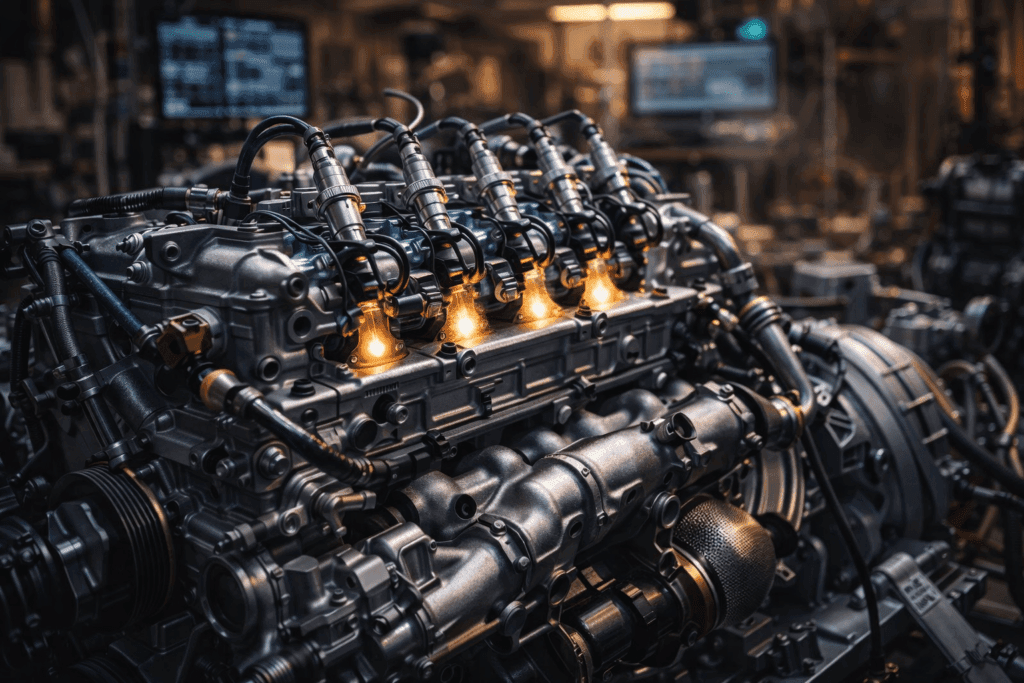
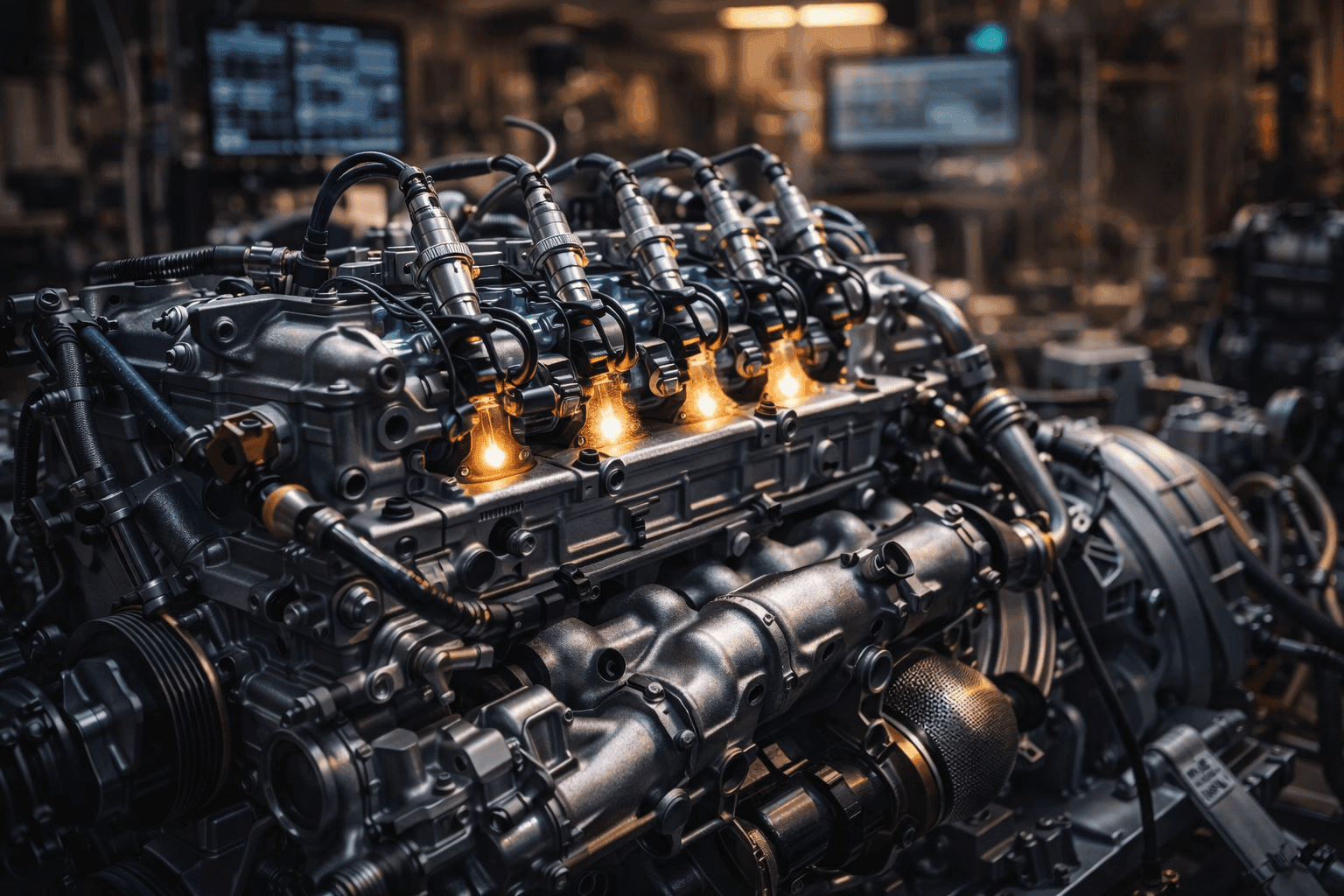
Hydrogen Combustion Engine Breakthrough 2026 is rapidly becoming one of the most disruptive developments in the global automobile industry, as engineers demonstrate that traditional internal combustion engines can run on hydrogen with near-zero carbon emissions. The breakthrough is forcing automakers, investors, and policymakers to reconsider the long-term assumption that electric vehicles are the only future of clean mobility.
For years, internal combustion engines were widely considered obsolete due to climate concerns. However, hydrogen combustion flips that narrative by using hydrogen fuel instead of petrol or diesel. When burned, hydrogen produces no carbon dioxide—only water vapor—eliminating the primary environmental criticism of combustion engines.
Recent testing confirms that modern hydrogen engines can achieve power outputs comparable to petrol engines while dramatically reducing emissions. Engineers have also addressed historical challenges such as backfiring, efficiency losses, and nitrogen oxide emissions through advanced engine design and precision fuel injection systems.
Hydrogen Combustion Engine Breakthrough 2026 Challenges Electric Vehicle Dominance
Hydrogen Combustion Engine Breakthrough 2026 is particularly significant because it offers an alternative to battery-dependent electric vehicles. While EVs face challenges such as long charging times, battery degradation, mineral supply constraints, and fire risks, hydrogen engines retain familiar refueling behavior.
Refueling a hydrogen combustion vehicle takes minutes, not hours. This mirrors the convenience of traditional fuel stations and could accelerate adoption among consumers resistant to EV charging infrastructure limitations. Fleet operators, logistics companies, and performance car manufacturers are especially interested in the technology.
Unlike hydrogen fuel cells, which require expensive materials and complex systems, hydrogen combustion engines can be adapted from existing engine platforms. This reduces manufacturing disruption and allows automakers to repurpose current factories, supply chains, and engineering expertise.
Hydrogen Combustion Engine Breakthrough 2026 Attracts Performance and Commercial Interest
Performance enthusiasts see Hydrogen Combustion Engine Breakthrough 2026 as a lifeline for high-performance vehicles. Hydrogen engines retain the sound, responsiveness, and mechanical engagement that electric drivetrains lack, while still meeting future emissions standards.
Commercial vehicle manufacturers are also paying close attention. Heavy trucks, buses, and industrial vehicles face major challenges with battery weight and charging downtime. Hydrogen combustion engines provide high energy density without massive battery packs, making them suitable for long-haul and high-load applications.
Engineers report that hydrogen engines perform reliably under extreme conditions, including heavy loads and high temperatures, where battery systems often struggle. This resilience is driving renewed investment interest across the automotive sector.
Hydrogen Combustion Engine Breakthrough 2026 Raises Infrastructure and Cost Questions
Despite its promise, Hydrogen Combustion Engine Breakthrough 2026 faces real challenges. Hydrogen production, storage, and distribution infrastructure remains limited. Producing green hydrogen using renewable energy is still expensive, though costs are declining rapidly.
Safety perceptions also remain a concern, even though modern hydrogen storage systems have proven highly secure in testing environments. Industry leaders argue that infrastructure investment—not technology—is now the primary bottleneck.
Crucially, hydrogen engines do not require rare earth minerals at the scale EV batteries do. This reduces dependency on fragile global supply chains and could appeal to countries seeking energy and industrial independence.
Hydrogen combustion technology is also attracting interest from motorsport engineers, who see it as a way to retain engine performance while meeting future emissions limits. Prototype testing indicates stable combustion at high loads, suggesting potential use in racing, aviation auxiliaries, and heavy-duty industrial vehicles.
Conclusion
Hydrogen Combustion Engine Breakthrough 2026 has reopened a chapter many believed was closed forever. By combining familiar engine technology with clean hydrogen fuel, the auto industry may gain a powerful third path alongside electric and fuel-cell vehicles. If infrastructure hurdles are addressed, hydrogen combustion could reshape the future of mobility faster than anyone expected.
About The Author