Electric Vehicle Sales in India 2026: 9 Key Trends Driving the EV Revolution
3 min read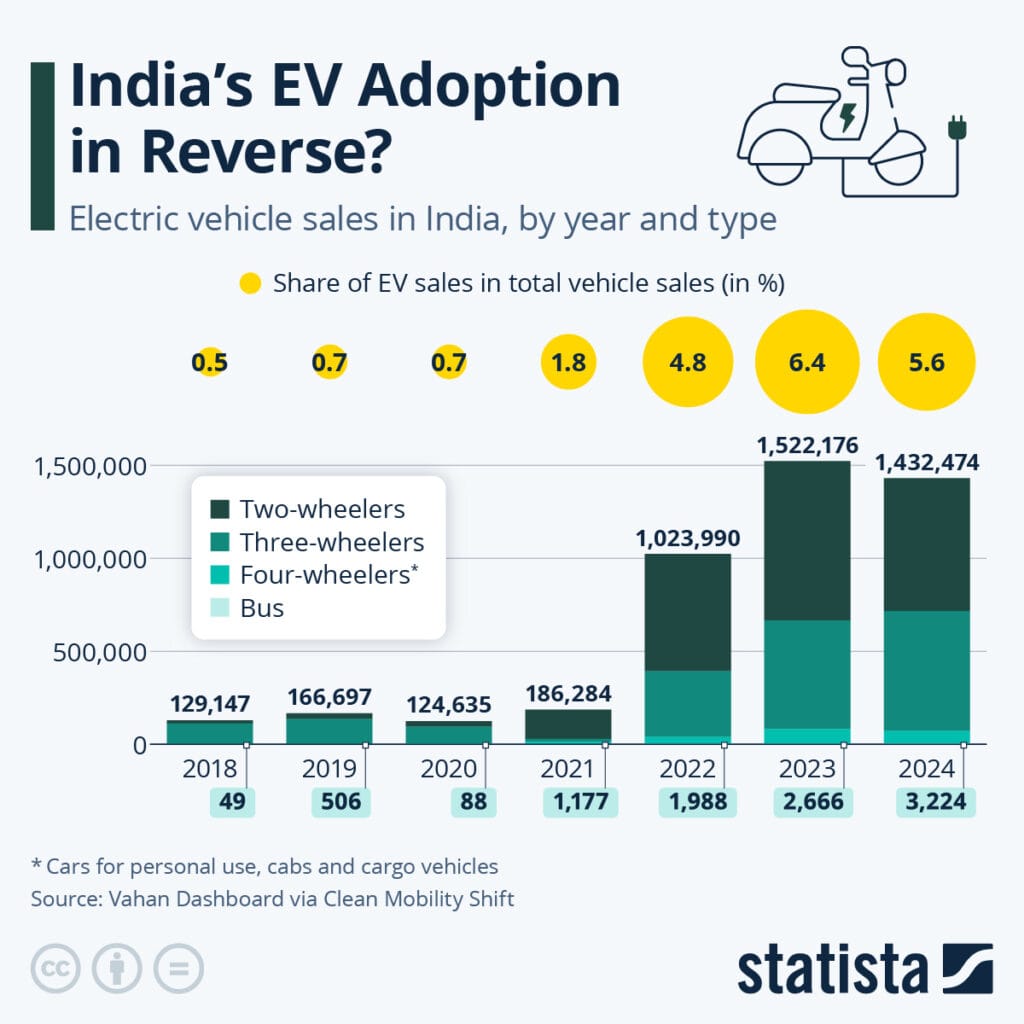
https://samaacharbharat.com/category/automobiles
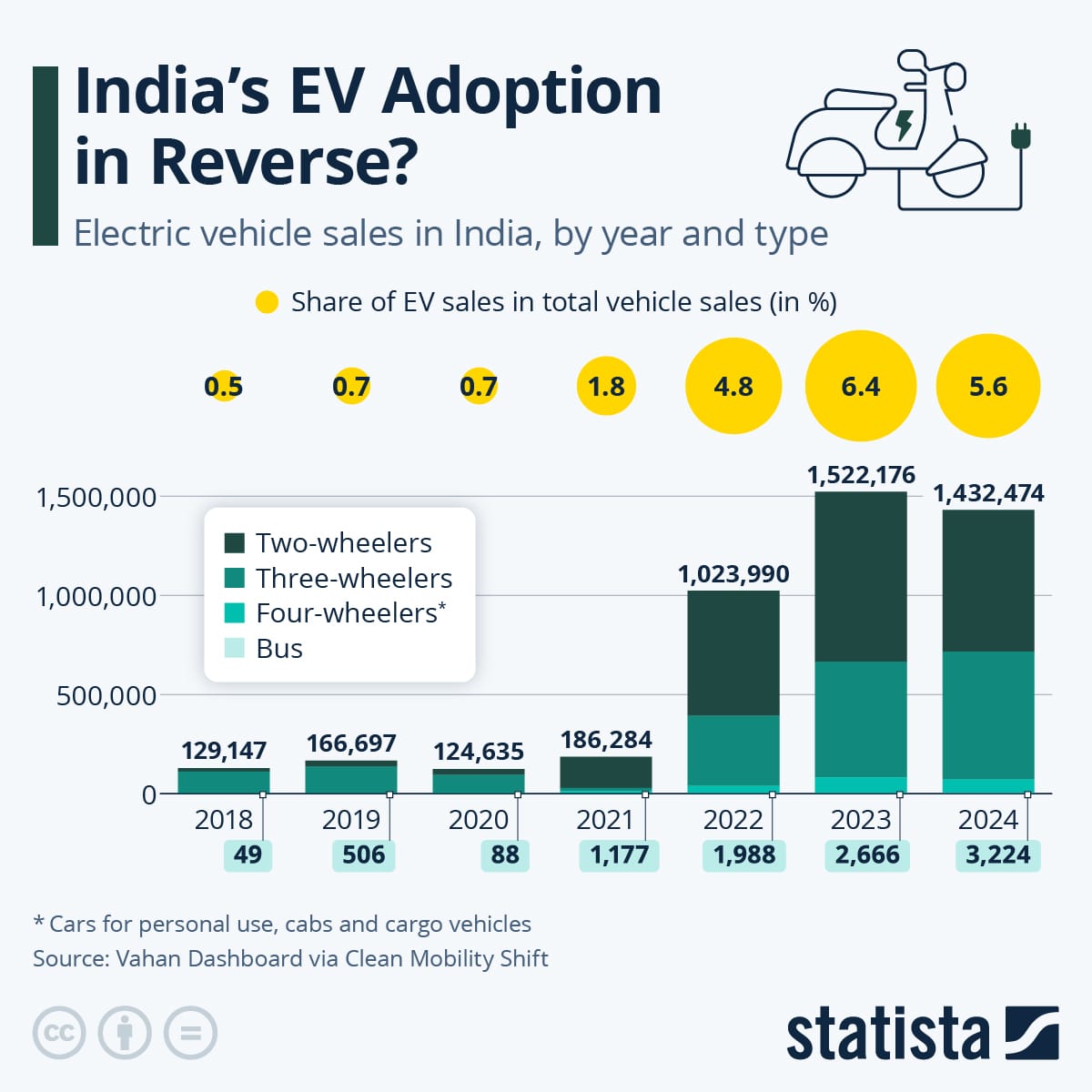
Electric vehicle sales in India in 2026 are showing strong momentum as the country’s transition toward cleaner mobility accelerates. Supported by policy continuity, improving charging infrastructure, and expanding model choices, EVs are steadily moving from early adoption to mainstream acceptance across two-wheelers, passenger cars, and commercial segments.
EV Sales Continue Upward Trajectory
Industry estimates indicate that electric two-wheelers remain the largest contributor to EV volumes, driven by affordability and urban commuting needs. Electric cars, though still a smaller share of total passenger vehicle sales, are witnessing faster year-on-year growth as range anxiety reduces and charging access improves.
Automakers report increased inquiries and bookings in metro cities as well as tier-2 markets, reflecting wider consumer confidence in electric mobility.
Policy Support Remains a Key Driver
Government backing continues to play a critical role in electric vehicle sales in India in 2026. Central and state-level incentives, reduced GST on EVs, and support for domestic battery manufacturing have helped keep ownership costs competitive.
While direct purchase subsidies are becoming more targeted, policymakers are increasingly focusing on long-term ecosystem development rather than short-term demand boosts.
Charging Infrastructure Expands Gradually
Charging availability remains a decisive factor for EV adoption. Public and private players are expanding fast and slow charging networks along highways, residential complexes, and commercial hubs.
Oil marketing companies, power utilities, and private startups are scaling investments, helping reduce one of the biggest barriers to EV adoption in India.
Automakers Expand EV Lineups
Major Indian and global manufacturers have expanded their electric portfolios in 2026, offering:
- Affordable electric scooters and motorcycles
- Mid-range electric hatchbacks and SUVs
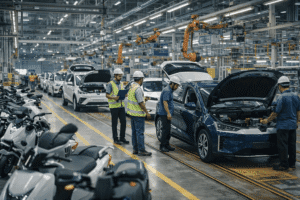
- Electric buses and light commercial vehicles
Companies like Tata Motors and Mahindra & Mahindra continue to strengthen their EV strategies, while international brands are increasing localization to stay price-competitive.
Battery Costs and Technology Improvements
Battery prices have shown relative stability compared to previous years, aided by domestic assembly and supply chain diversification. Improvements in battery management systems, thermal safety, and charging speeds are enhancing consumer trust.
Experts believe that further gains in battery efficiency will be crucial for sustained growth in electric vehicle sales in India in 2026.
Fleet and Commercial EV Adoption Rises
Electric vehicles are gaining traction among fleet operators, delivery companies, and public transport agencies. Lower operating costs and predictable usage patterns make EVs attractive for commercial applications.
Electric buses, in particular, are seeing strong uptake in state transport undertakings as cities aim to reduce urban emissions.
Consumer Concerns Still Persist
Despite progress, some challenges remain:
- Higher upfront costs compared to ICE vehicles
- Uneven charging infrastructure in smaller towns
- Limited resale market for used EVs
Addressing these issues will be essential for accelerating adoption beyond early adopters.
Environmental and Economic Impact
Rising EV adoption supports India’s broader goals of reducing oil imports, cutting urban pollution, and meeting climate commitments. The EV ecosystem is also generating employment across manufacturing, software, charging services, and maintenance.
The transition is increasingly viewed not just as an environmental necessity but as an economic opportunity.
Outlook for the Rest of 2026
Analysts expect electric vehicle sales in India in 2026 to maintain strong growth, especially in two-wheelers and fleet segments. Continued policy stability, infrastructure rollout, and consumer education will determine how quickly EVs move from niche to norm.
Industry experts believe sustained electric vehicle sales in India in 2026 will depend on affordable financing, reliable charging access, clear battery warranties, transparent resale values, and consistent policy signals, especially as adoption spreads from metros to tier-2 and tier-3 cities with diverse commuting patterns and evolving consumer expectations nationwide this year.
While internal combustion engines will remain dominant in the near term, electric mobility is clearly establishing itself as a permanent pillar of India’s automobile future.
About The Author