Electric Vehicle Sales in India: 7 Key Factors Driving Rapid Growth
4 min read
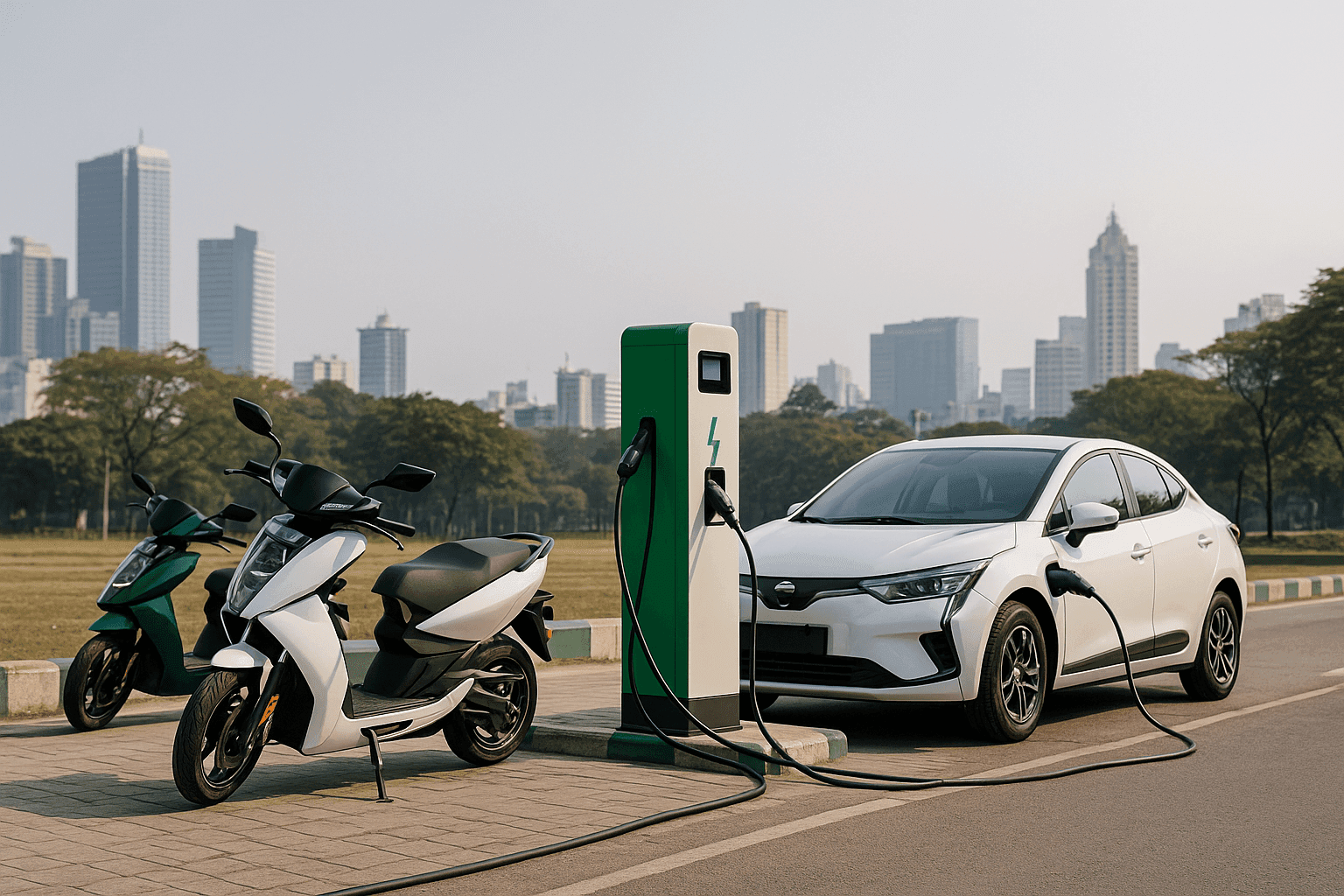
Electric vehicle sales in India have witnessed a sharp rise in recent months, reflecting growing consumer acceptance, supportive government policies, and rapid expansion in charging infrastructure. Industry data indicates that electric mobility is steadily moving from an early adoption phase to a more mainstream segment of the automobile market. Rising fuel prices and increasing awareness about environmental sustainability are further accelerating this transition.
Automobile manufacturers have responded to this demand by expanding their electric portfolios across multiple price points. From affordable electric two-wheelers to premium passenger cars, the market now offers a wider range of choices for consumers. Industry experts believe this diversification has played a key role in boosting electric vehicle sales, particularly in urban and semi-urban areas.
Electric Vehicle Sales Gain Momentum Across Key Segments
Electric vehicle sales growth has been most pronounced in the two-wheeler segment, which accounts for a significant share of daily commuting in India. Affordable electric scooters and motorcycles are attracting first-time buyers due to lower operating costs and reduced maintenance requirements. Many consumers view electric two-wheelers as a practical alternative to petrol-powered vehicles for short-distance travel.
Passenger electric vehicles are also gaining traction, especially in metropolitan cities. Improved driving range, enhanced safety features, and better charging access have helped address earlier concerns related to range anxiety. Automakers are focusing on compact and mid-size electric cars tailored for urban driving conditions, further supporting electric vehicle sales growth.
New Model Launches Strengthen Consumer Confidence
The launch of new electric vehicle models with upgraded battery technology and connected features has strengthened buyer confidence. Automakers are emphasising fast-charging capability, regenerative braking systems, and advanced infotainment options to differentiate their offerings. These improvements have contributed to rising electric vehicle sales by making EVs more competitive with conventional vehicles.
Government Incentives Continue to Support Electric Vehicle Sales
Policy support remains a critical driver of electric vehicle sales in India. Central government initiatives, along with state-level incentive schemes, have reduced upfront costs for consumers. Benefits such as purchase subsidies, lower registration fees, and tax exemptions have made electric vehicles more accessible to a wider audience.
Several states have also announced dedicated EV policies focusing on charging infrastructure, manufacturing EV incentives, and public transport electrification. These measures are helping build a supportive ecosystem that encourages both demand and supply-side growth.
Charging Infrastructure Expansion Remains Key
The expansion of charging infrastructure has significantly influenced electric vehicle sales. Public and private players are increasingly investing in charging stations at malls, office complexes, highways, and residential areas. Fast-charging corridors along major routes are reducing range concerns and improving long-distance travel feasibility for EV owners.
Commercial Adoption Adds Momentum to Electric Vehicle Sales
Beyond personal mobility, electric vehicle sales are rising in the commercial segment as well. Electric three-wheelers and light commercial vehicles are being adopted for last-mile delivery, logistics, and ride-hailing services. Fleet operators are drawn to EVs due to lower fuel costs and compliance with emission norms in congested urban centres.
Logistics companies and e-commerce firms are increasingly incorporating electric vehicles into their fleets to meet sustainability targets. This shift is expected to further support electric vehicle sales as businesses prioritise cost efficiency and regulatory compliance.
Battery Technology and Local Manufacturing Boost Growth
Advancements in battery technology are playing a crucial role in sustaining electric vehicle sales momentum. Manufacturers are investing in higher energy-density batteries, improved thermal management, and longer warranty periods to address durability concerns. Battery localisation initiatives are also helping reduce dependency on imports and stabilise supply chains.
Local manufacturing of EV components, including motors and power electronics, is expected to bring down costs over time. Industry stakeholders believe this localisation push will make electric vehicles more affordable, further supporting electric vehicle sales in the medium term.
Consumer Awareness and After-Sales Support Improve Adoption
Consumer perception towards electric vehicles has evolved positively as ownership experiences improve. Better after-sales service networks, increased availability of spare parts, and transparent warranty policies are addressing early apprehensions. Automakers are also focusing on customer education to highlight long-term cost benefits associated with electric vehicle ownership.
Despite the progress, challenges remain. Charging access in smaller towns, battery recycling infrastructure, and supply chain constraints continue to require attention. Experts note that coordinated efforts between policymakers, manufacturers, and energy providers will be essential to sustain growth.
Outlook for Electric Vehicle Sales Remains Strong
Looking ahead, analysts expect electric vehicle sales in India to continue growing at a steady pace. Favourable policies, rising fuel costs, and technological advancements are likely to strengthen adoption across segments. As charging infrastructure expands and costs decline, electric mobility is expected to become an integral part of India’s automobile landscape.
About The Author