Bitcoin $60000: Market on Edge as Investors Flee Risky Bets
3 min read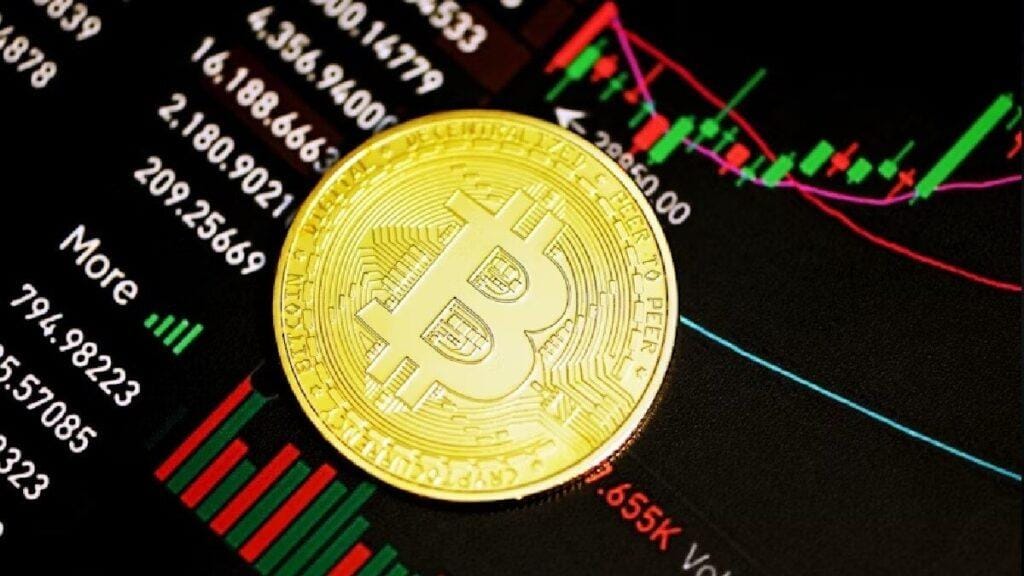
Bitcoin $60000 has emerged once again as a psychological and technical fault line for global markets, with the world’s largest cryptocurrency hovering near the level as investors rapidly cut exposure to risk assets. A sharp shift in sentiment—driven by macroeconomic uncertainty, tighter financial conditions, and profit-taking—has triggered renewed volatility across crypto, equities, and commodities.
Market participants say the latest moves reflect a broader “risk-off” trade rather than a crypto-specific shock. Yet the failure to decisively break above $60,000 has reignited fears that Bitcoin’s recent rally may be losing steam.
Bitcoin $60000: Why This Level Matters So Much
The Bitcoin $60000 mark is not just another round number. Traders and analysts view it as a convergence point of technical resistance, psychological pressure, and institutional positioning.
When Bitcoin approaches this level:
- Short-term traders lock in profits
- Algorithmic funds reduce exposure
- Options markets see higher hedging demand
Repeated rejections near $60,000 have reinforced the idea that buyers are cautious, even as long-term believers remain optimistic.
According to market data cited by Reuters, Bitcoin’s struggle near this level has coincided with outflows from riskier assets globally, suggesting a coordinated retreat rather than an isolated sell-off.
Bitcoin $60000: 8 Forces Driving the Latest Pullback
1️⃣ Global Risk-Off Mood
Rising geopolitical tensions and fragile growth outlooks have pushed investors toward cash, bonds, and defensive assets, draining liquidity from speculative markets like crypto.
2️⃣ Stronger US Dollar
A firmer dollar typically weighs on Bitcoin, as it reduces the appeal of alternative stores of value for international investors.
3️⃣ Bond Yields Staying High
Elevated yields on government bonds offer safer returns, making volatile assets such as Bitcoin less attractive in the short term.
4️⃣ Profit-Taking After the Rally
Bitcoin’s sharp gains over recent months encouraged early investors to book profits near resistance levels, adding selling pressure.
5️⃣ ETF Flow Volatility
While spot Bitcoin ETFs brought legitimacy and inflows, recent sessions have seen uneven demand, amplifying intraday swings.
6️⃣ Regulatory Overhang
Ongoing scrutiny of crypto platforms and tighter compliance rules continue to cap aggressive upside bets.
7️⃣ Derivatives Market Pressure
High leverage in futures markets has led to liquidations when prices stall, accelerating downward moves.
8️⃣ Equity Market Weakness
Sell-offs in tech stocks and emerging markets often spill into crypto, reinforcing the broader retreat from risk.
How Investors Are Reacting
The reaction to Bitcoin $60000 has been swift. Trading desks report:
- Reduced leverage across crypto portfolios
- Increased use of options for downside protection
- Rotation into stablecoins and cash equivalents
Retail investors, meanwhile, appear divided. Some see the pullback as a buying opportunity, while others fear a deeper correction if macro conditions worsen.
Is This a Temporary Pause or a Trend Reversal?
Analysts remain split on what comes next for Bitcoin $60000.
Bullish view:
Supporters argue that institutional adoption, limited supply, and long-term demand remain intact. From this perspective, the current weakness is a consolidation phase before another breakout attempt.
Bearish view:
Skeptics warn that failure to hold key support levels could trigger a broader unwind, potentially dragging Bitcoin toward lower technical zones.
What both sides agree on is that volatility is likely to remain elevated.
What to Watch Next
For Bitcoin to regain momentum above Bitcoin $60000, markets will be watching:
- US inflation and interest-rate signals
- ETF inflow consistency
- Global equity market stability
- Any major regulatory announcements
A decisive move—either above or below—could set the tone for crypto markets in the weeks ahead.
Why This Matters Beyond Crypto
The struggle around Bitcoin $60000 is increasingly viewed as a barometer of global risk appetite. As cryptocurrencies have become more intertwined with traditional finance, their movements now echo broader market sentiment.
A sustained recovery could signal renewed confidence, while a deeper slide may reinforce fears of a wider risk-asset correction.
About The Author