Epstein Files Explained: 5 Facts Behind the India Link and Why PM Modi’s Name Appears
3 min read
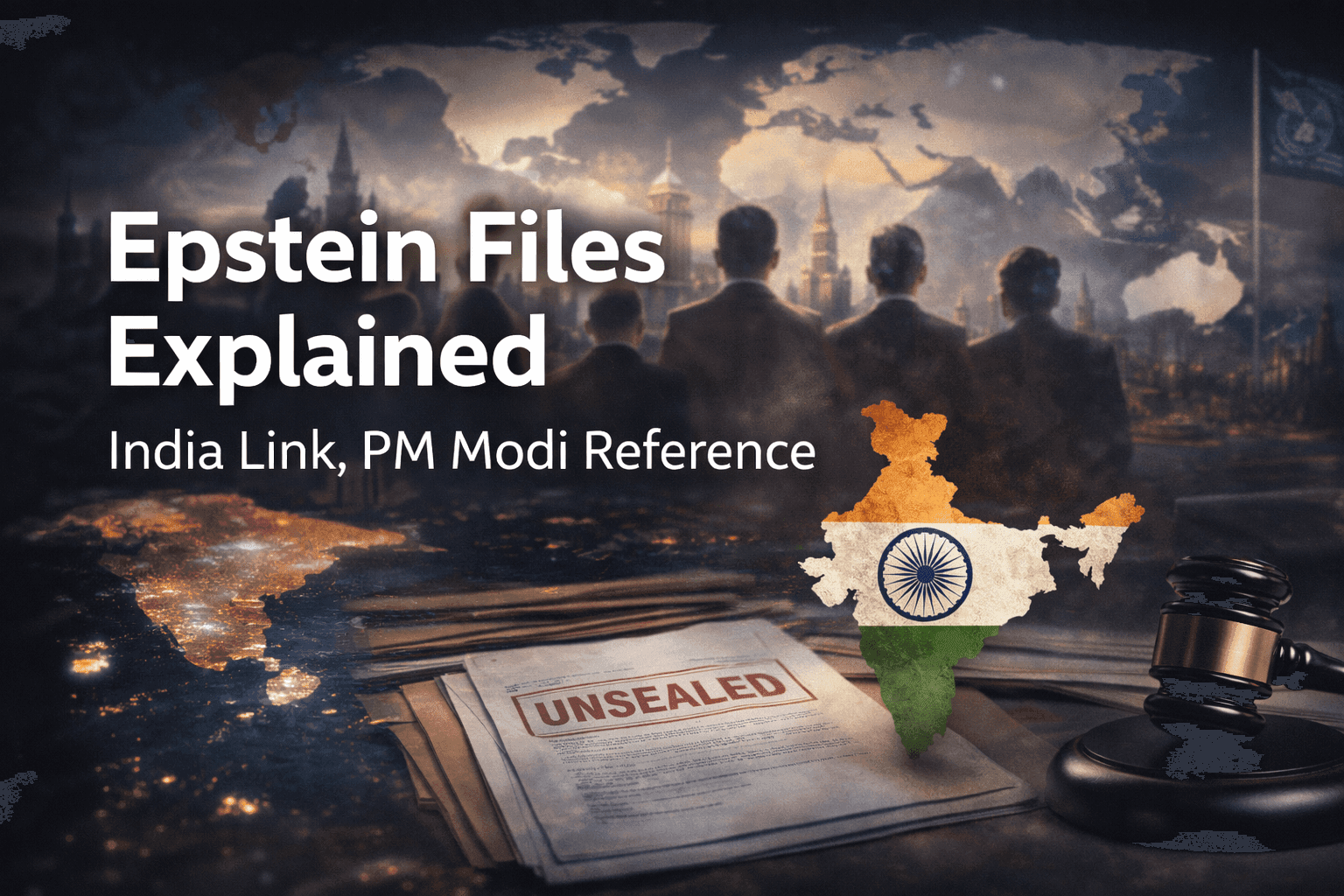
The recent release of unsealed court records linked to Jeffrey Epstein has reignited global debate, particularly after references connected to India surfaced in public discourse. Searches around the Epstein Files India link surged after commentary suggested that Indian leaders were mentioned in the documents. This has led to widespread confusion, speculation, and misinformation.
This article explains what the Epstein Files actually are, why India is mentioned, and how Prime Minister Narendra Modi’s name appears in context, based strictly on verifiable records and legal interpretation.
What Are the Epstein Files?
The Epstein Files refer to a large set of court documents released as part of long-running civil litigation in the United States involving associates of Jeffrey Epstein. These documents include:
- Deposition transcripts
- Email references
- Travel-related mentions
- Third-party statements
Importantly, the release was ordered to promote judicial transparency. The presence of a name in these files does not imply wrongdoing, guilt, or criminal investigation.
Why the Epstein Files India Link Is Being Discussed
Interest in the Epstein Files India Link grew after analysts and media commentators examined how global figures were referenced in Epstein-related materials. India’s mention emerged not because of any investigation involving Indian authorities, but due to contextual references in documents that span international diplomacy and global elites.
India appears as part of broader geopolitical and diplomatic discussions, not as a subject of criminal inquiry.
How PM Modi’s Name Appears in the Documents
One of the most discussed aspects of the Epstein Files India Link is the reference to Prime Minister Narendra Modi. According to legal experts and document reviewers:
- PM Modi’s name appears indirectly, not as an accused individual
- The reference is tied to general geopolitical or diplomatic context
- There is no allegation, charge, or investigation involving PM Modi
The mention reflects how high-profile global leaders can appear in wide-ranging legal records without any legal implication.
Referenced Does Not Mean Accused
A critical distinction must be made when interpreting the Epstein Files India Link.
Being referenced in court documents is not the same as being accused, charged, or investigated.
Courts often release documents that include names mentioned by witnesses, journalists, or third parties. These mentions are preserved for transparency, not judgment.
Media Analysis and Public Confusion
The Epstein Files India Link debate highlights how partial information can be misinterpreted in the digital age. Social media amplification often removes legal nuance, leading to misleading narratives.
Responsible journalism requires:
- Contextual explanation
- Legal clarity
- Avoidance of sensational framing
Several international outlets have emphasized that India’s mention carries no legal consequence.
Why Global Leaders Appear in International Court Records
Large-scale legal cases often span continents. The Epstein Files include references to:
- Heads of state
- Diplomats
- Business leaders
- Academics
This happens because Epstein interacted with individuals across countries. Mentions reflect proximity or discussion, not culpability.
The Epstein Files India Link fits into this broader pattern.
Legal Perspective on the Epstein Files India Link
From a legal standpoint:
- The documents are historical records, not findings
- No Indian investigation has been triggered
- No summons or notices have been issued
Legal scholars note that misreading such records can undermine trust in judicial transparency.
Why Transparency Matters
The release of Epstein-related documents reinforces the principle that courts must balance:
- Public interest
- Individual reputation
- Legal accuracy
Transparency ensures accountability, but interpretation must remain disciplined and fact-based.
What the Epstein Files Do NOT Say About India
To be clear, the Epstein Files India Link does not indicate:
- Criminal activity involving Indian leaders
- Diplomatic scandal
- Financial or personal association
It merely reflects how names can surface in expansive international records.
Conclusion: Separating Facts From Noise
The discussion around the Epstein Files India Link demonstrates the importance of careful reading and responsible reporting. While India and PM Modi are mentioned in context, there is no allegation or legal action connected to these references.
As more documents are analyzed globally, readers must rely on verified facts rather than speculation. Transparency strengthens democracy—but only when matched with accuracy.
About The Author