Tariffs on India and China Face a 500% Proposal, Putting Global Trade Under Watch
4 min read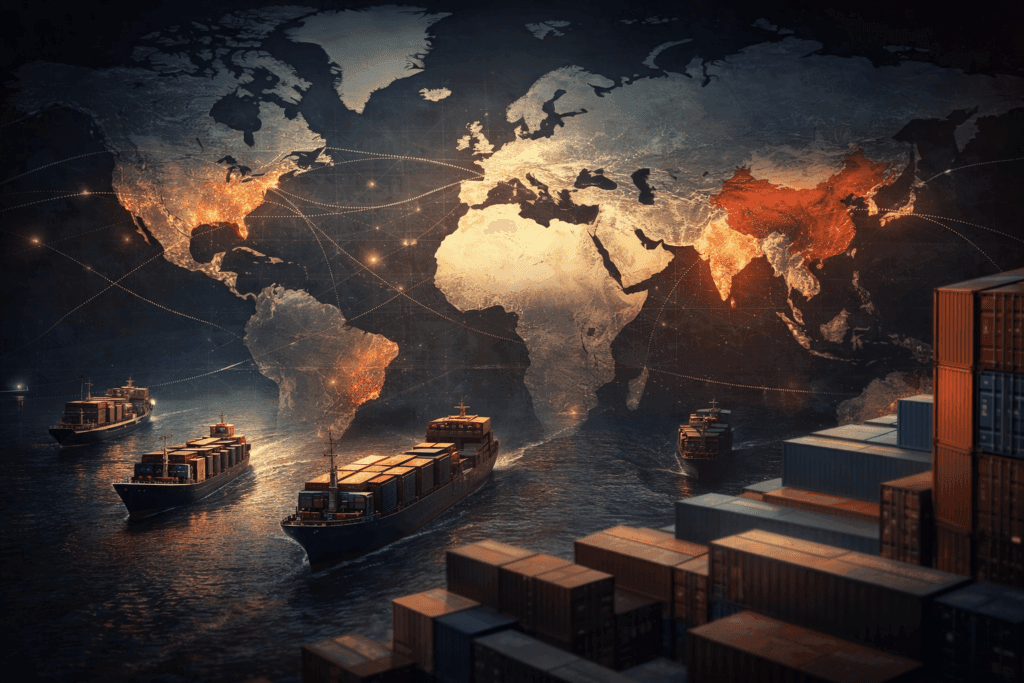
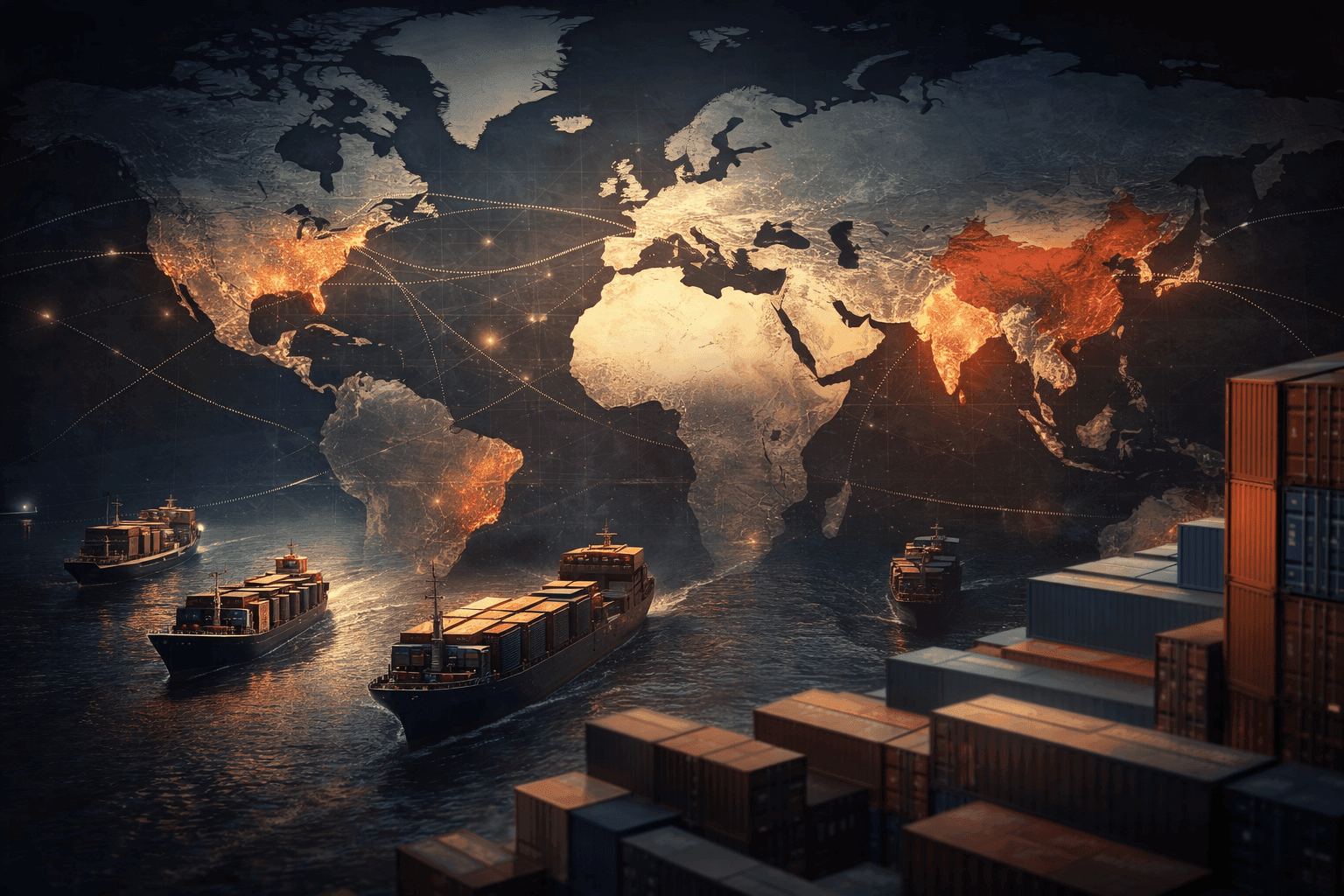
Tariffs on India and China have moved to the center of global economic discussions following renewed signals from former US President Donald Trump and allied lawmakers backing a proposal that could impose duties as high as 500% on imports. While the proposal has not yet been implemented, its scale and intent have already raised concerns across financial markets, diplomatic circles, and international trade bodies.
The proposal has emerged alongside the clearance of a Russia sanctions bill, linking trade penalties with geopolitical enforcement. Together, these developments suggest a tougher stance on global commerce at a time when supply chains remain fragile and economic growth uneven.
Why Tariffs on India and China Are Back in Focus
The renewed attention on tariffs on India and China is tied to a broader strategy aimed at discouraging continued trade with Russia, particularly in energy and commodities. Instead of imposing direct sanctions on third countries, policymakers are considering extreme tariffs as an indirect pressure mechanism.
Trade experts note that such measures challenge existing norms set by the World Trade Organization, which discourages the use of punitive tariffs outside multilateral agreements.
Such an approach would:
- Make certain imports economically unviable in the US market
- Push companies to rethink sourcing strategies
- Expand the reach of sanctions beyond their original targets
Trade analysts note that a 500% tariff is not a conventional trade tool but a punitive measure designed primarily for deterrence.
India’s Energy Strategy and Trade Exposure
India’s inclusion in the discussion has drawn particular attention. Since the Ukraine conflict began, India has increased imports of discounted Russian crude oil to support domestic energy needs and control inflation. New Delhi has consistently stated that its decisions are guided by national interest and economic stability.
However, if tariffs on India and China are imposed at such high levels, Indian exporters could face serious challenges in the US market. Key sectors potentially affected include:
- Pharmaceuticals
- Textiles and garments
- Engineering goods
- Auto components
Even without immediate implementation, the uncertainty surrounding the proposal could disrupt long-term contracts and investment planning for Indian businesses that rely heavily on US demand.
China and the Risk of Escalation
For China, trade pressure from Washington is not new. During Trump’s previous tenure, multiple rounds of tariffs reshaped US–China economic relations. The proposed escalation, however, would be far more severe.
China’s exposure to tariffs on India and China includes:
- Consumer electronics
- Machinery and industrial inputs
- Intermediate goods used in global supply chains
Economists believe such measures could accelerate China’s push toward alternative markets in Asia, Africa, and Latin America, while reinforcing its long-term strategy of reducing reliance on Western economies.
Russia Sanctions and the Shift in Trade Enforcement
The Russia sanctions bill cleared by Trump-aligned lawmakers is central to understanding the current proposal. While the legislation targets Moscow directly, it also creates a framework for applying economic pressure on countries that continue to trade with Russia.
This shift:
- Blurs the line between sanctions and trade policy
- Introduces secondary penalties through tariffs
- Raises questions about fairness and global trade norms
As a result, tariffs on India and China are increasingly being viewed as geopolitical instruments rather than traditional economic safeguards.
Market Reaction and Investor Caution
Global markets have responded cautiously to the developments. While there has been no sharp sell-off, investors are closely watching signals from Washington.
Market concerns include:
- Potential inflationary impact from higher import costs
- Retaliatory trade measures by affected countries
- Further disruption to global supply chains
Analysts warn that even the possibility of extreme tariffs on India and China can affect market sentiment, as businesses delay decisions amid rising policy uncertainty.
Diplomatic Implications for Global Trade
The diplomatic fallout of implementing such tariffs could be significant.
For India:
- It could complicate an otherwise strengthening strategic partnership with the US
- It may accelerate trade diversification and alternative payment mechanisms
- It reinforces the importance of maintaining strategic autonomy
For China:
- It could deepen economic decoupling from the US
- Strengthen partnerships outside the Western bloc
- Support domestic self-reliance initiatives
At a broader level, the proposal risks fragmenting global trade into competing economic blocs.
Will the Proposal Become Policy?
Despite the attention, experts caution that several hurdles remain before such tariffs could be implemented. These include opposition from US businesses dependent on imports, potential legal challenges, and resistance from allies concerned about collateral damage.
Many analysts believe the proposal may serve as a negotiating tool rather than an immediately enforceable policy. However, past experience shows that trade rhetoric can quickly turn into action, making tariffs on India and China a key issue to watch in the months ahead.
Conclusion
Tariffs on India and China have once again highlighted the growing intersection of trade and geopolitics. Whether or not the proposed 500% levy is ultimately imposed, the discussion alone underscores rising uncertainty in the global trading system.
For businesses, governments, and investors, the episode serves as a reminder that trade policy is increasingly shaped by strategic considerations rather than purely economic logic. As global trade dynamics continue to evolve, the outcome of this proposal could have lasting implications well beyond the US, India, and China.
About The Author