Air Quality worsens in Major Indian Cities: 6 Serious health risks doctors warn about in 2026
3 min read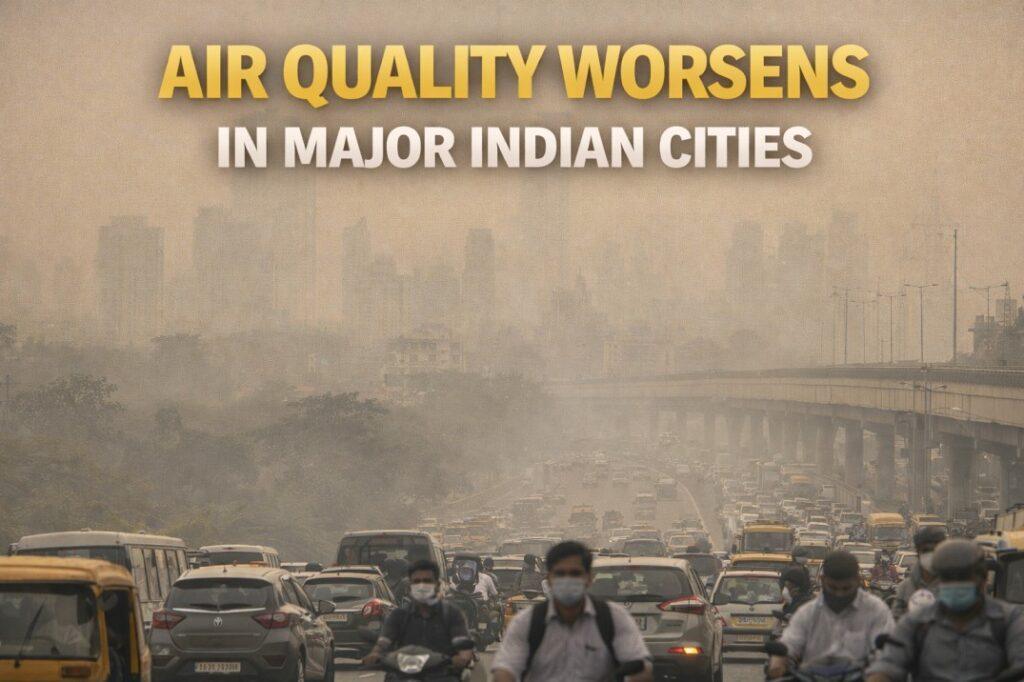
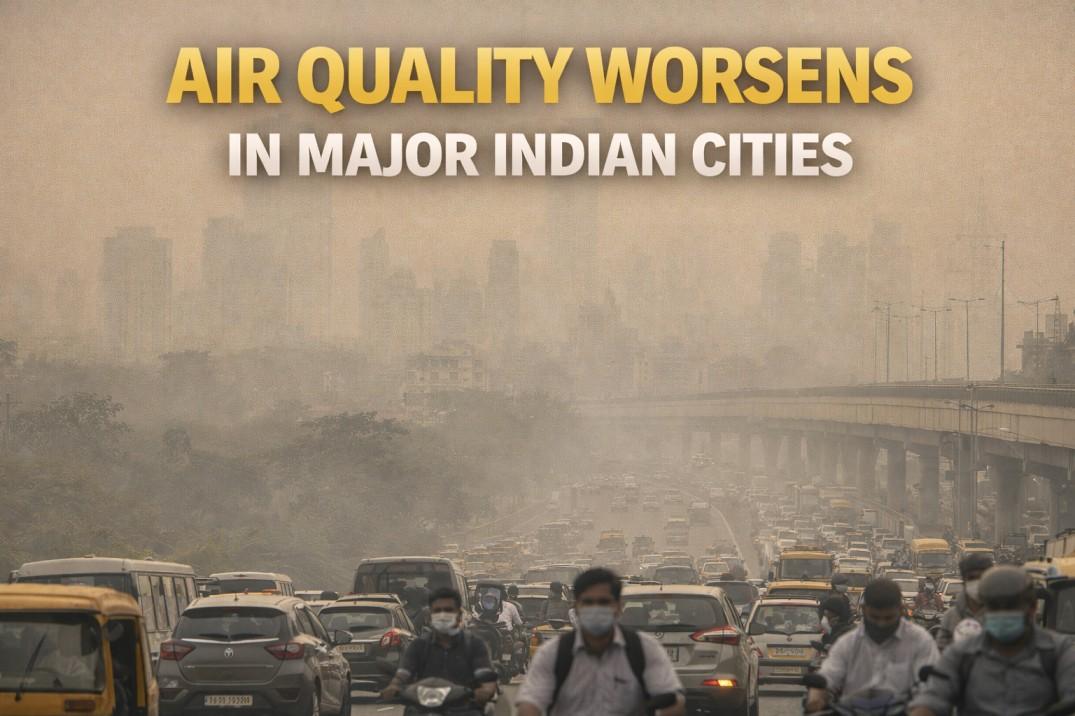
Air Quality Worsens in Major Indian Cities with pollution levels crossing safe limits in several urban centres, prompting doctors and health authorities to issue urgent warnings for residents. Air quality indices (AQI) in cities such as Delhi, Mumbai, Kolkata, Bengaluru, and Chennai have entered the “poor” to “very poor” category, raising concerns over public health, especially for children, elderly citizens, and those with existing medical conditions.
Health experts warn that prolonged exposure to polluted air can lead to both short-term discomfort and long-term health complications.
Air Quality Worsens in Major Indian Cities: Most Affected Areas
According to the latest air quality monitoring data, several major Indian cities have reported a sharp deterioration in air conditions.
Cities reporting poor to very poor AQI include:
- Delhi NCR – Severe pollution during early morning and late evening hours
- Mumbai – Rising PM2.5 levels due to traffic and construction dust
- Kolkata – Increased particulate matter and industrial emissions
- Bengaluru – Dust pollution and vehicular emissions
- Chennai – Fluctuating air quality linked to weather conditions
In many areas, visibility has reduced, and residents have complained of throat irritation, coughing, and breathing discomfort.
Why Air Quality Worsens in Major Indian Cities During This Period
Experts cite multiple factors contributing to the decline in air quality:
🔹 Vehicular Emissions
High traffic density, especially during peak hours, releases nitrogen oxides and fine particulate matter into the air.
🔹 Construction and Road Dust
Ongoing construction projects contribute significantly to airborne dust particles.
🔹 Weather Conditions
Low wind speed and temperature inversion trap pollutants close to the ground, worsening air quality.
🔹 Industrial Emissions
Factories located near urban areas release pollutants that accumulate during unfavourable weather conditions.
Doctors Warn: Health Risks Linked to Poor Air Quality
As Air Quality Worsens in Major Indian Cities, doctors are seeing a noticeable rise in pollution-related health complaints.
Common health problems reported:
- Persistent coughing and throat irritation
- Shortness of breath and wheezing
- Eye redness and irritation
- Headaches and fatigue
- Worsening asthma and bronchitis symptoms
Pulmonologists warn that exposure to high levels of PM2.5 can penetrate deep into the lungs and even enter the bloodstream, increasing the risk of heart disease and stroke.
Children and Elderly at Higher Risk
Doctors stress that children and senior citizens are particularly vulnerable when Air Quality Worsens in Major Indian Cities.
- Children’s lungs are still developing, making them more sensitive to pollutants
- Elderly individuals often have weaker immunity and pre-existing conditions
- Outdoor activities during high pollution hours increase risk
Schools in some cities have been advised to reduce outdoor activities, and parents are encouraged to monitor children for respiratory symptoms.
Air Quality Worsens in Major Indian Cities: What Health Experts Recommend
Medical professionals and health authorities have issued clear guidelines to reduce exposure:
✔ Safety Tips:
- Avoid outdoor exercise during early morning and late evening
- Wear masks (preferably N95) when pollution levels are high
- Keep windows closed during peak pollution hours
- Use air purifiers indoors if available
- Stay hydrated and consume antioxidant-rich foods
Doctors also advise patients with asthma or heart conditions to keep medication readily available.
Government Response and Monitoring Efforts
Municipal bodies and pollution control agencies have increased monitoring efforts as Air Quality Worsens in Major Indian Cities.
Measures include:
- Real-time air quality updates
- Dust control directives at construction sites
- Traffic management advisories
- Public awareness campaigns
Authorities have urged citizens to cooperate by reducing vehicle usage and avoiding open burning of waste.
Long-Term Impact: Why This Is a Serious Concern
Health experts warn that repeated exposure to polluted air can have long-term consequences, including:
- Chronic respiratory diseases
- Reduced lung function
- Increased risk of cardiovascular problems
- Higher healthcare costs
Environmental specialists emphasize that improving air quality requires sustained policy action, urban planning, and public participation.
Conclusion
Air Quality Worsens in Major Indian Cities is not just an environmental issue but a serious public health concern. With pollution levels rising across urban centres, doctors urge residents to take preventive measures and limit exposure wherever possible.
Staying informed, following health advisories, and adopting pollution-reducing habits are essential steps until air quality conditions improve.
About The Author