Rising Respiratory Illness Cases Trigger Health Advisory Across North India
3 min read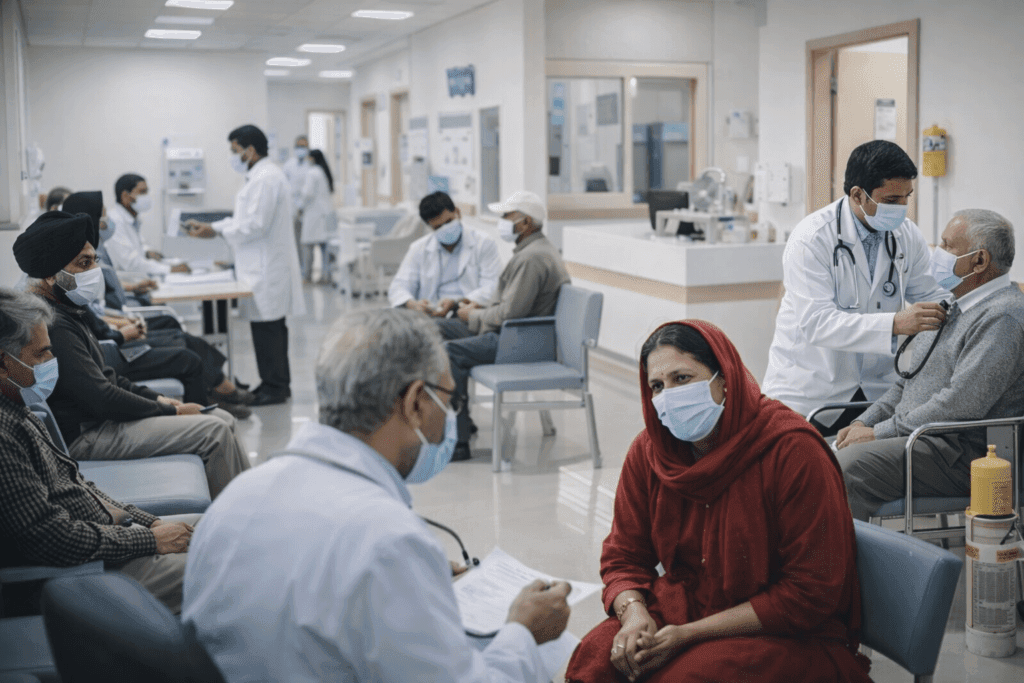
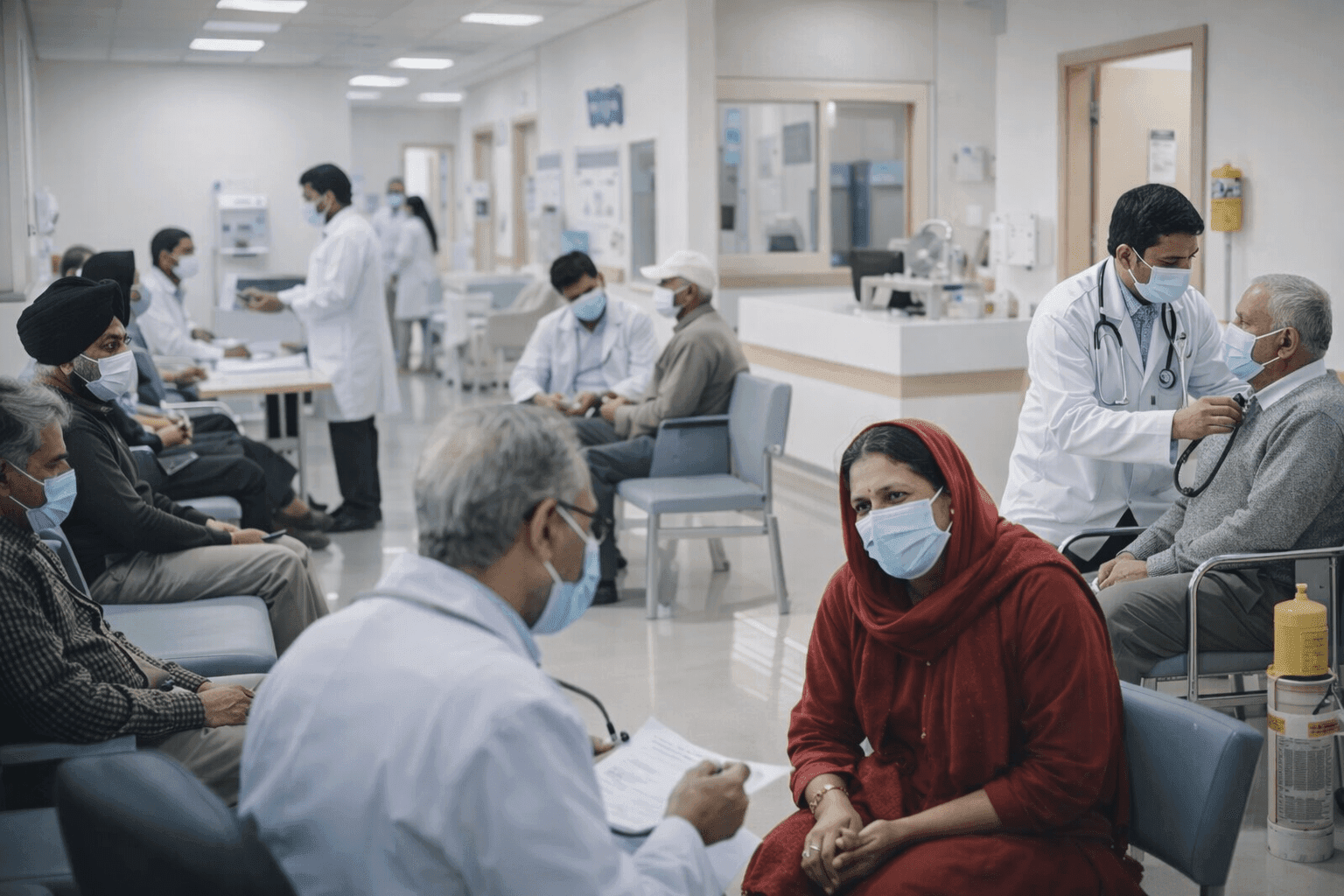
Rising Respiratory Illness Cases have prompted health authorities across multiple North Indian states to issue advisories as hospitals report a noticeable increase in patients suffering from breathing-related complications. Medical officials attribute the surge to a combination of seasonal pollution spikes, cold weather, and viral infections, particularly affecting children, senior citizens, and individuals with pre-existing respiratory conditions.
Government hospitals and private healthcare facilities in Delhi-NCR, Punjab, Haryana, Uttar Pradesh, and Rajasthan have reported higher outpatient department (OPD) footfall in recent weeks. Doctors say symptoms range from persistent cough and breathlessness to aggravated asthma and bronchitis cases.
What Is Driving the Rise in Cases
Health experts point to deteriorating air quality as a primary factor behind Rising Respiratory Illness Cases. Winter conditions often trap pollutants close to the ground, increasing exposure to harmful particulate matter. This, combined with lower temperatures and viral circulation, creates a high-risk environment for respiratory infections.
Officials clarified that there is no evidence of a new virus outbreak. Instead, the rise is linked to common respiratory infections exacerbated by environmental factors. However, hospitals have been instructed to remain alert and prepared for further increases.
Health Advisory Issued
State health departments have issued advisories urging citizens to take preventive measures. These include limiting outdoor activity during peak pollution hours, using masks in high-smog areas, and seeking early medical consultation if symptoms persist.
Schools have been advised to monitor students for respiratory symptoms, while employers have been encouraged to allow flexible work arrangements where possible, especially for vulnerable individuals.
Hospital Preparedness and Monitoring
Hospitals have been directed to ensure adequate availability of essential medicines, oxygen support, and respiratory care equipment. Health authorities are also tracking daily admission data to assess trends related to Rising Respiratory Illness Cases.
Medical professionals emphasize that early intervention is critical. Delayed treatment can worsen outcomes, particularly among patients with chronic conditions such as asthma, COPD, and cardiovascular disease.
Impact on Children and Elderly
Children and the elderly remain the most affected groups. Pediatricians report increased cases of wheezing and viral-induced respiratory distress among young children. Elderly patients, especially those with compromised immunity, are experiencing prolonged recovery periods.
Doctors recommend indoor air purification, hydration, and strict adherence to prescribed medications for high-risk individuals.
Role of Air Pollution
Environmental experts stress that recurring spikes in air pollution continue to strain public health systems. Fine particulate matter penetrates deep into the lungs, triggering inflammation and reducing lung function. The recurring pattern of Rising Respiratory Illness Cases during winter months underscores the urgent need for sustained pollution control measures.
Government Response
Authorities have stated that emergency measures may be intensified if air quality deteriorates further. These include temporary restrictions on construction activity, vehicle usage controls, and increased monitoring of pollution hotspots.
Public awareness campaigns are also being strengthened to educate citizens about respiratory health protection.
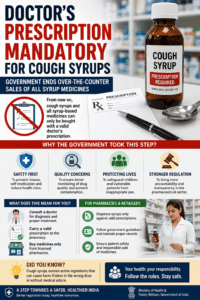
Health officials have also urged people with existing respiratory conditions to keep emergency medications accessible and avoid self-medication without consulting qualified medical professionals.
What Citizens Should Do
Health experts advise:
- Avoid outdoor exercise during high pollution periods
- Use masks in polluted environments
- Keep indoor spaces ventilated but protected from outside smog
- Seek medical attention for persistent respiratory symptoms
Ignoring early signs can lead to complications, particularly in vulnerable populations.
Why This Matters
Rising Respiratory Illness Cases represent more than a seasonal health concern—they highlight the ongoing link between environmental conditions and public health. Repeated surges strain healthcare infrastructure and underline the importance of long-term preventive strategies.
Conclusion
As winter conditions persist, health authorities continue to monitor Rising Respiratory Illness Cases closely. While the situation remains under control, officials stress that public cooperation and timely medical care are essential to prevent further escalation.
About The Author