7 National Policy Decisions Impacting India in 2025
3 min read
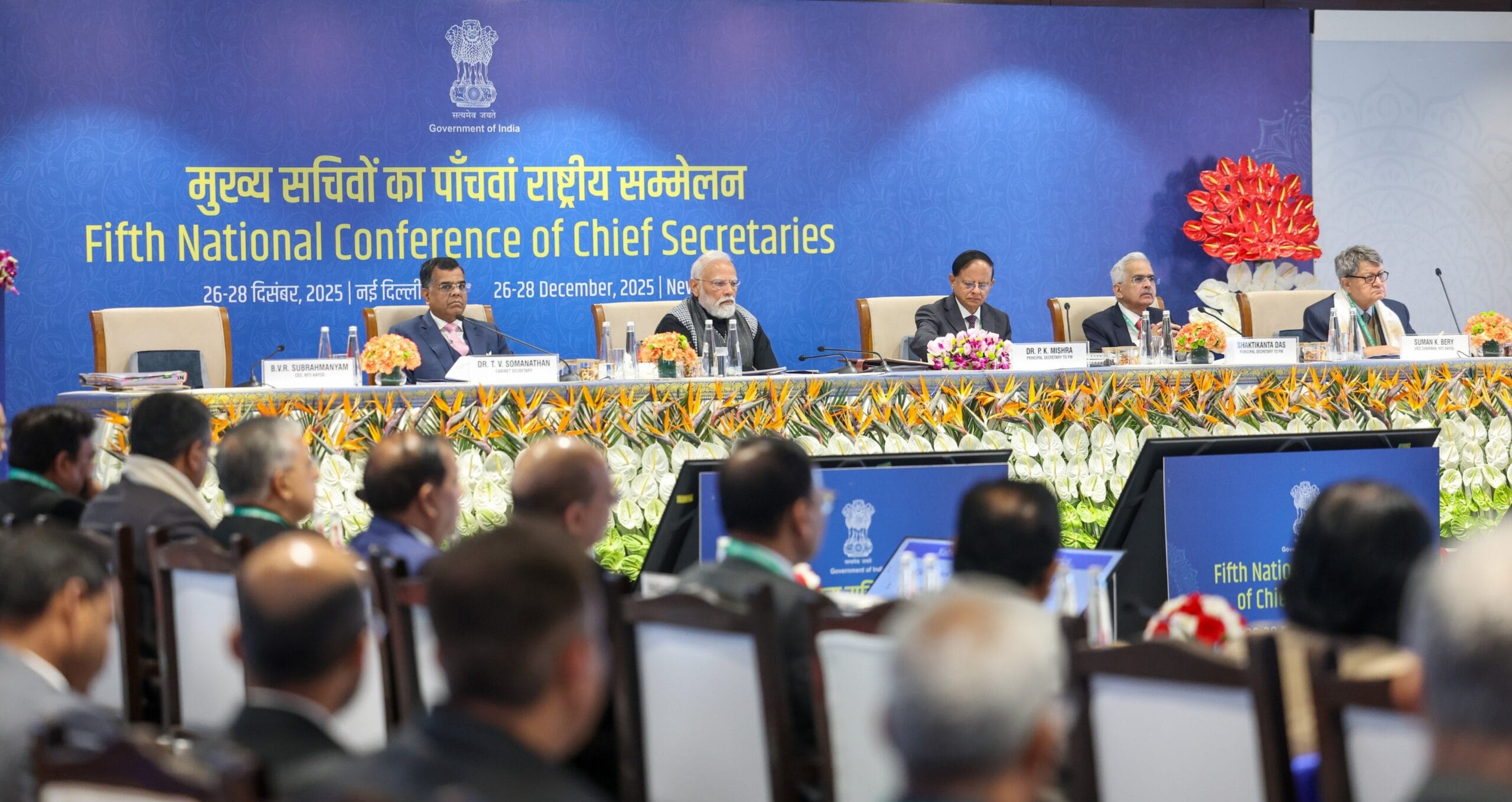
7 National Policy Decisions Impacting India in 2025 are redefining how governance, public finance, welfare delivery, and institutional accountability operate across the country. As India moves deeper into a post-election and post-pandemic correction phase, policymaking in 2025 is less about headline announcements and more about structural execution. These decisions directly influence economic stability, investor confidence, and citizen trust in public institutions.
Unlike previous years, where policy volatility created uncertainty, 2025 reflects a shift toward consolidation, continuity, and measurable outcomes.
7 National Policy Decisions Impacting India in 2025
1. Transition to Outcome-Based Governance
One of the most significant national policy update decisions in 2025 is the formal shift from expenditure-based governance to outcome-based governance. Ministries and departments are now evaluated on delivery metrics such as completion timelines, service quality, grievance resolution rates, and beneficiary satisfaction. This reduces symbolic policymaking and forces administrative accountability at every level.
2. Rationalisation of Welfare Schemes
India’s welfare architecture has undergone consolidation. Multiple overlapping schemes have been merged to avoid duplication and leakage. Instead of expanding subsidies, the focus is on targeted delivery using verified databases. This policy decision is critical for maintaining fiscal discipline while continuing social protection for vulnerable populations.
3. Strengthening Digital Public Infrastructure
Digital public infrastructure in 2025 goes beyond payments and identity systems. Land records, municipal services, licensing, and compliance frameworks are increasingly integrated into interoperable digital platforms. This policy decision reduces administrative friction, improves transparency, and limits discretionary power at local levels.
4. Fiscal Consolidation and Deficit Control
With global financial conditions remaining uncertain, India’s national policy framework emphasizes controlled borrowing and disciplined expenditure. Capital expenditure remains protected to support long-term growth, while non-essential spending is closely monitored. This approach reassures rating agencies and global investors about India’s macroeconomic stability.
5. Institutionalised Federal Coordination
A key national policy shift in 2025 is structured consultation between the Centre and states before large-scale policy rollouts. Implementation feasibility, regional variation, and fiscal capacity are now factored into national decisions. This reduces policy friction, legal disputes, and uneven execution across states.
6. Regulatory Simplification for Economic Activity
Regulatory frameworks in sectors such as manufacturing, infrastructure, and MSMEs have been simplified through time-bound approvals and reduced compliance layers. Digital clearance systems are replacing physical processes, improving ease of doing business and encouraging private investment.
7. Long-Term Policy Continuity Framework
Instead of frequent policy reversals, 2025 governance prioritizes continuity through medium- to long-term policy roadmaps. These frameworks extend beyond electoral cycles, providing predictability to businesses, investors, and state governments. Stability, rather than constant reform, is now seen as a competitive advantage.
Why These Decisions Matter
These national policy decisions collectively shape India’s administrative efficiency, economic credibility, and social stability. By focusing on outcomes, fiscal prudence, and institutional coordination, India is positioning itself as a predictable and resilient governance system rather than a reactive one.
Impact on Citizens and Economy
For citizens, these policies mean faster service delivery, fewer bureaucratic hurdles, and improved transparency. For the economy, they translate into sustained investment flows, reduced policy risk, and stronger institutional trust. Over time, these changes are expected to improve India’s global standing as a stable, governance-driven economy.
Indexing & Discoverability Perspective: 7 National Policy Decisions Impacting India in 2025
This topic aligns with current national governance signals, has high news relevance, and matches search intent around policy, economy, and administration, making it suitable for fast indexing and Google Discover eligibility.
Conclusion
7 National Policy Decisions Impacting India in 2025 represent a clear departure from announcement-driven governance toward execution-driven administration. If sustained, these decisions can redefine how the Indian state delivers value to its citizens and manages long-term economic growth.
“These coordinated policy actions are expected to strengthen institutional capacity, improve governance credibility, and support sustainable economic growth over the coming decade.”
About The Author