The electric vehicle market in India shows steady growth amid policy support
3 min read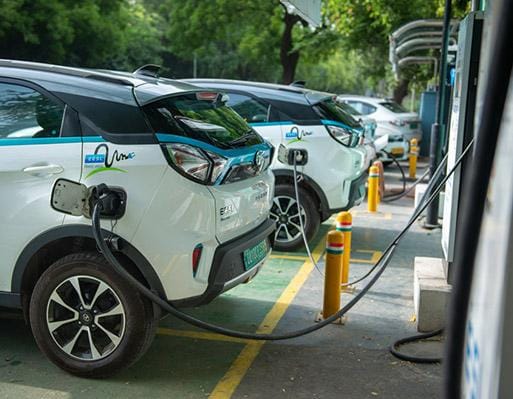
The electric vehicle market in India is witnessing steady expansion as policy support, infrastructure development, and changing consumer preferences drive adoption across multiple segments. Industry observations indicate that electric mobility & transport policy is gradually becoming an integral part of the country’s automobile ecosystem.
Government initiatives have played a crucial role in accelerating this transition. Incentive schemes, reduced registration charges in some states, and support for domestic manufacturing have encouraged both manufacturers and buyers to consider electric alternatives. The electric vehicle market in India has particularly benefited from measures aimed at reducing upfront costs and improving long-term affordability.
Policy Support and Regulatory Push
Central and state governments continue to focus on creating a supportive regulatory environment for electric mobility. Policies encouraging clean transportation and reduced emissions have strengthened confidence among automakers. As a result, investments in the electric vehicle market in India have increased steadily over the past few years.
Expansion of Charging Infrastructure
Charging infrastructure remains a key focus area for policymakers and private players. Public charging stations are being added in urban centers, highways, and commercial hubs to improve accessibility. Experts note that better charging availability is critical for sustaining growth in the electric vehicle market in India and addressing range-related concerns among consumers.
Private companies and energy providers are also collaborating to deploy fast-charging solutions. These efforts are expected to enhance convenience and improve the overall ownership experience.
Automakers Increase Electric Offerings
Automobile manufacturers are expanding their electric portfolios to cater to different price segments. Two-wheelers continue to dominate volumes, while electric passenger cars and commercial vehicles are gradually gaining traction. Increased competition has contributed to innovation and wider choices within the electric vehicle market in India.
Local Manufacturing and Supply Chain Development
Localisation of components such as battery packs, motors, and power electronics is improving cost efficiency. Industry analysts believe this trend will strengthen domestic capabilities and support sustainable growth of the electric vehicle market in India over the long term.
Several manufacturers have announced dedicated production lines and new facilities focused exclusively on electric vehicles, signalling long-term commitment to the segment.
Consumer Awareness and Adoption Trends
Consumer awareness regarding environmental impact and lower operating costs has increased significantly. Rising fuel prices have further influenced purchasing decisions, making electric vehicles an attractive option for daily commuting. Fleet operators are also adopting electric models to reduce operating expenses and meet sustainability targets, adding momentum to the electric vehicle market in India.
Financing and Ownership Experience
Banks and non-banking financial institutions have introduced customised financing products for electric vehicles. Lower maintenance requirements and reduced running costs are frequently cited benefits by owners, contributing to positive sentiment around the electric vehicle market in India.
Manufacturers are also improving after-sales support and offering extended warranties to build trust among buyers.
Challenges and Industry Outlook
Despite progress, challenges remain in areas such as battery recycling, charging standardisation, and grid readiness. Industry stakeholders emphasise the need for coordinated efforts between policymakers, manufacturers, and infrastructure providers. Addressing these issues will be critical for maintaining momentum in the electric vehicle market in India.
With continued policy backing, infrastructure expansion, and technological advancements, the sector is expected to maintain steady growth as part of India’s broader transition toward cleaner mobility solutions.
Industry experts believe that continued collaboration between policymakers, manufacturers, and infrastructure providers will be essential for long-term stability. Focus on skill development, battery recycling frameworks, and grid integration is expected to strengthen the ecosystem further. As technology matures and costs decline, electric mobility is likely to become more accessible across regions and income segments.
Continued policy clarity and infrastructure investment are expected to play a decisive role in shaping future adoption trends nationwide.
About The Author